Our Top Picks
 Panasonic Cordless Phone with Answering Machine2 Handsets4.04 x 5.04 x 6.8 inches0.7 poundsCheck on Amazon
 VTech VG134-11 DECT 6.0 Cordless Phone- BlackCaller ID/Answering Machine4.56 x 4.09 x 7.17 inches1 poundsCheck on Amazon
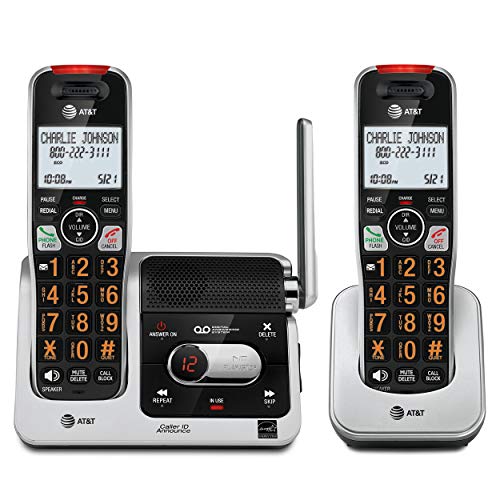 AT&T BL102-2 DECT 6.0 2-Handset Cordless Phone for2 Handset5.68 x 3.46 x 7.39 inches1.7 poundsCheck on Amazon
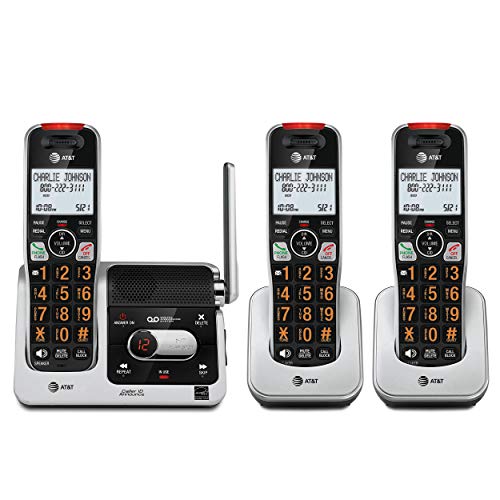 AT&T BL102-3 DECT 6.0 3-Handset Cordless Phone for3 Handset3.81 x 6.04 x 7.21 inches1.98 poundsCheck on Amazon


What's inside
- Why a cordless phone with an answering machine still earns its place
- Understanding DECT 6.0 and the frequency band behind it
- Range inside a real house with floors, walls, and furniture
- Placing the base station for coverage and convenience
- Battery life, standby time, and the rhythm of charging
- Expanding from one handset to a whole-house system
- The answering machine: recording time and message handling
- Listening back: playback controls, remote access, and notifications
- Blocking nuisance calls and screening what gets through
- Big buttons, clear screens, and designing for older hands and eyes
- Speakerphone conversations and talking between rooms
- What happens when the power goes out
- Directories, redial, and the small features used every day
- Voice clarity, echo, and living alongside broadband
- Choosing capacity: handsets, memory, and directory size together
- Setup day: a calm sequence that prevents most problems
- Maintenance that keeps an older system feeling new
- Questions worth asking before any purchase
- Bringing the decision together
- Ringtones, quiet hours, and living politely with the ring
- When two lines, a fax habit, or a home office enters the picture
- Safety, children, and the phone as household infrastructure
- Reading a specification sheet without being misled by it
- Environmental habits and the long tail of ownership
- A final word on matching the phone to the household story
- Check prices on Amazon
- Troubleshooting the complaints that arrive in the first month
As an Amazon Associate I earn from qualifying purchases. This post may contain affiliate links at no extra cost to you.
This guide is built from manufacturer specifications, technical documentation, published user manuals, and aggregated owner feedback gathered across many households. Some links on this page may earn a commission that supports the work of maintaining these guides, and that arrangement never changes how a feature is described or how a limitation is reported. Where a maker publishes a figure, the figure is presented as a published figure rather than as a promise about any single home, because walls, wiring, and daily habits shape real results more than any single number printed on a box.
Why a cordless phone with an answering machine still earns its place
A landline handset that wanders from room to room solves a quiet problem that mobile phones never quite settled, which is the problem of a shared household number that belongs to the house itself rather than to one person. Children can answer a call from a grandparent without borrowing a parent device, a guest can reach the kitchen without shouting through doorways, and anyone returning home can see at a glance whether somebody tried to get in touch while the house stood empty. The answering machine built into the base turns that shared number into a patient listener, recording messages through the day and holding them safely until an evening review, so a missed call becomes information rather than a small mystery that lingers.
There is also a steadiness to this kind of phone that suits homes where routines matter more than novelty. The handset lives in one familiar spot, it rings with a sound everyone recognises, and it works during the small emergencies when mobile batteries fade or signal drops behind thick walls. For older relatives the appeal runs deeper still, because a dedicated handset with physical buttons asks for no passwords, no updates, and no swiping through screens that change their layout every few months. Choosing well therefore means looking past the headline promise of cordless freedom and studying the details that decide whether the phone feels dependable on an ordinary Tuesday evening.
Understanding DECT 6.0 and the frequency band behind it
Nearly every modern system sold for homes in North America relies on a radio standard called DECT 6.0, which operates around the 1.9 gigahertz band that regulators set aside for voice devices. That dedicated slice of spectrum matters because it sits away from the crowded channels used by wireless routers, microwave ovens, and baby monitors, so conversations stay clear even in a house full of competing electronics. Earlier generations that used 2.4 or 5.8 gigahertz shared their airspace with networking gear and often picked up buzzing or dropouts, whereas the protected band gives the handset and base a quieter road to travel along during every call.
The standard also handles security in a way older analogue sets never could, since the link between handset and base is digitised and paired, making casual eavesdropping with a scanner effectively impossible for a neighbour. Voice quality benefits from the digital path as well, because the system can correct small errors before they become audible crackle. When a specification sheet lists the band and the standard together, treat that pairing as the foundation of everything else, since range, clarity, and the ability to add extra handsets all grow out of how confidently the base and its handsets talk to one another across the home.
Range inside a real house with floors, walls, and furniture
Published range figures describe open ground with nothing between the handset and the base, and no cottage or family house resembles open ground for a single minute of the day. Timber studs and plasterboard soften a signal gently, brick and stone take a heavier toll, and reinforced concrete or foil-backed insulation can stop a conversation cold beyond a single room. A practical way to think about coverage is to picture the base at the centre of a shrinking circle, where each floor slab and each chimney breast trims the edge of that circle a little further, until the far bedroom or the garden room sits near the boundary where calls begin to break apart.
Multi-storey homes reward a bit of experimentation before the system settles into daily use. Placing the base on the middle floor rather than in a basement corner usually balances the distance to bedrooms above and living rooms below, and keeping it away from large metal objects such as filing cabinets or the side of a refrigerator preserves signal that would otherwise be reflected or absorbed. Some households discover that a hallway table outperforms a study desk simply because the hallway offers clear paths in several directions, and that small relocation can matter more than paying extra for a model that advertises a longer outdoor figure measured across an empty field.
Homes that stretch rather than rise, such as long bungalows or converted barns, present a different puzzle because distance accumulates horizontally through many internal walls. In those layouts a system that supports a range extender or a repeater accessory deserves attention, since a small plug-in unit placed halfway down the building can relay conversations to the far end without new wiring. Buyers should confirm that the specific base accepts such an accessory before purchase, because compatibility varies between product families even within one brand, and an extender bought on assumption alone often ends up returned.
Placing the base station for coverage and convenience
The base carries two jobs at once, acting as the radio hub for every handset and as the home of the answering machine with its controls and indicator lights. Its position therefore needs to serve both roles, sitting somewhere reachable for pressing play yet central enough for strong coverage throughout the property. A living room side table or a kitchen counter corner commonly satisfies both demands, while a utility room behind a steel door serves neither, however tidy the installation might look on the first day.
Height helps more than many people expect. A base resting on a shelf or table roughly at waist height sends its signal over sofas, bookcases, and kitchen islands that would otherwise block a unit sitting near the floor, and the improvement shows up most clearly in rooms diagonal from the base where the path crosses the most obstacles. Keep the base a modest distance from wireless routers, television sets with streaming sticks, and other transmitters, because even a well-shielded system performs best when its immediate neighbourhood stays electrically quiet.
Convenience details deserve a thought as well, since the person retrieving messages may be carrying shopping or supporting themselves with a walking aid. A base near the entrance hallway catches attention the moment someone returns home, with a flashing counter that announces waiting messages before coats come off. Readers who plan the wider household setup carefully may also appreciate our guide to best alarm clocks for elderly people, because a visible message alert and a clear bedside clock together reduce the small frictions that accumulate for older residents moving through their evening routine.
Battery life, standby time, and the rhythm of charging
Handsets draw power from rechargeable cells, most commonly nickel metal hydride packs or individual rechargeable cells of the same chemistry, and their behaviour shapes how forgiving the phone feels in daily life. Talk time figures in manuals commonly fall somewhere between roughly seven and fifteen hours of continuous conversation, while standby stretches from several days to well beyond a week when the handset sits idle in its cradle or on a table. Those spreads look generous until a household realises that a handset left off its charger beside a favourite armchair drains steadily as it listens for the base, and a weekend away can return everyone to a silent, exhausted handset.
Healthy habits extend battery life far more than any specification can. Returning each handset to a charging cradle overnight keeps the cells topped up and establishes a predictable home for the phone, which also solves the perennial problem of hunting for a handset under cushions. Replacement cells eventually become necessary after a few years, when talk time shrinks noticeably between charges, and systems that accept standard rechargeable cells make that renewal cheap and simple compared with proprietary packs that may disappear from sale. Checking the manual for the exact cell type before buying spares prevents the common frustration of cells that fit the compartment yet confuse the charging circuitry.
Some handsets offer an eco mode that reduces radio power when the handset rests near the base, trimming both energy use and the slow drain during standby. The trade-off appears at the edges of coverage, where a cautious handset may cling less stubbornly to a weakening signal, so households with borderline rooms sometimes prefer to leave such modes off. Either way, the setting lives in the menu rather than on a prominent switch, and a few minutes spent locating it during setup pays off in fewer surprises later.
Expanding from one handset to a whole-house system
A single base can usually support several handsets, with many families settling on three or four spread across the kitchen, bedroom, study, and hallway. Extra handsets arrive either inside a multi-handset box or as accessory units registered to the base afterwards, and registration normally involves a short sequence on the handset and a button press on the base. The crucial check is compatibility, because accessory handsets are built for particular base families and a bargain unit from a different line may refuse to register no matter how patiently the instructions are followed.
Only the base needs a telephone socket and a mains outlet, since satellite handsets sit in simple charging cradles that draw power alone. That freedom lets a handset live beside a bed, on a workshop bench, or in a conservatory where no phone wiring exists, and it explains why expanding systems suit older houses whose original sockets cluster in one inconvenient corner. Numbering or naming each handset during setup, where the system allows custom labels, helps everyone learn which unit belongs where, and a strip of tape beneath a cradle achieves the same result when menus feel fiddly.
Growth should still respect the limits printed in the manual, because a base juggling its maximum handset count while several conversations and intercom calls compete can feel sluggish. Most homes never approach that ceiling, yet a large household with teenagers should count planned handsets honestly before choosing a base with a modest limit. Readers furnishing a nursery corner at the same time sometimes pair this planning with best baby sound machines, since a calm sleeping environment and a phone that rings softly in another room support each other through the night.
The answering machine: recording time and message handling
Digital answering machines store messages as compressed audio in built-in memory, and capacities are quoted in total recording minutes rather than in a count of messages. Common capacities range from around a quarter of an hour on the simplest bases to an hour or more on generous models, and the practical meaning depends on how callers behave. A household receiving short confirmations from clinics and tradespeople may hold weeks of messages comfortably, while a family whose relatives leave long newsy recordings can fill the same memory in days, especially around holidays when calls multiply.
When memory fills, systems typically stop accepting new recordings or overwrite the oldest saved items according to their design, and neither outcome is welcome if a message carries appointment details. Choosing headroom above the expected need is therefore wiser than matching capacity exactly, and enabling the message counter display helps everyone notice when stored messages deserve a clear-out. Many bases announce the number of waiting messages with a clear two-digit display, and some speak a timestamp for each recording, which proves invaluable when several messages arrive during a single afternoon away.
Greeting quality shapes how callers respond, because a clear personal greeting recorded in a quiet room encourages people to leave complete information instead of hanging up. Most systems allow a greeting of a minute or so, and recording it at normal speaking volume a short distance from the base microphone avoids the booming distortion that makes callers uncertain whether they reached the right house. A default prerecorded greeting exists on nearly every model, yet replacing it with familiar voices reassures elderly callers who might otherwise doubt the machine and ring off without a word.
Listening back: playback controls, remote access, and notifications
Retrieving messages should be effortless for the least technical person in the house, so look for bases with a large play button, clear skip and repeat keys, and a delete control that asks for no menu diving. Variable playback speed on some models lets a listener slow a mumbling caller or hurry through a rambling one, and the ability to save a message while deleting neighbours keeps the important recording safe during a tidy-up. Handset playback matters too, because the person who notices the flashing light may be upstairs, and forcing a trip downstairs to hear a message guarantees that messages wait longer than they should.
Remote access extends that convenience beyond the front door through a personal identification number entered from any other phone. With the code set during setup, a traveller can ring home, interrupt the greeting with the code, and hear new messages from a hotel room or a mobile on the train. Changing the factory default code is essential, since published defaults are widely known, and the manual explains the short procedure. Some systems add message alerts that ring a nominated number when a recording arrives, a thoughtful bridge for adult children who monitor a parent house from a distance.
Homes where a resident rests during the day often combine these settings with best adult sound machines in a bedroom, allowing the phone to take messages silently while background sound masks hallway noise. The answering machine becomes the patient member of the household in that arrangement, gathering calls without demanding attention until the resident wakes and chooses to listen.
Blocking nuisance calls and screening what gets through
Unwanted calls remain the strongest complaint about any landline, and modern bases fight back with layered defences that have improved markedly in recent years. A dedicated block button on many handsets lets the person answering silence a repeat offender mid-call and add the number to a stored list in the same motion. Stored lists commonly hold dozens or even hundreds of entries, and the better systems also block withheld numbers, international prefixes, or ranges of numbers that share a suspicious beginning, which matters because nuisance operations rotate their displayed numbers constantly.
Call screening takes a different approach by asking unknown callers to announce themselves before the handset rings. The base answers quietly, records the caller name or requires a key press, and only then disturbs the household, which defeats most automated dialling systems because robots rarely respond to an unexpected instruction. Genuine callers tolerate the brief ritual once they understand it, especially when the system remembers approved numbers and lets family ring straight through afterwards. Households should test the feature with a friendly caller early on, so the greeting wording and timing feel welcoming rather than suspicious.
Caller identification underpins both defences, displaying the incoming number and, where the directory holds a matching entry, the caller name. That service depends on the line provider enabling it, and a subscription detail worth confirming before blaming a new phone for blank displays. Directory size on the base varies from a few dozen entries to several hundred, and shared directories that synchronise across handsets save the tedium of typing the same contacts into every unit around the house.
Big buttons, clear screens, and designing for older hands and eyes
Legibility decides whether a phone empowers an older user or quietly defeats them, and the differences between models are visible the moment two handsets sit side by side. Generous keypads with spaced, high-contrast numbers reduce dialling errors, while backlit keys help during night calls when reaching for a lamp feels like too much delay. Screens vary from simple single-line displays to larger multi-line panels that show the caller name, the time, and menu choices without cramming, and a screen that tilts its contrast well in bright kitchens earns its keep every morning.
Sound support goes further than raw volume. Many handsets include a boost control that temporarily raises earpiece loudness for a single call, plus tone adjustment that emphasises the frequencies where age-related hearing loss bites hardest. Compatibility with hearing aids is described in manuals through ratings for inductive coupling, and a telecoil-friendly handset lets a hearing aid user hold a conversation without whistling feedback. Ringer choice matters in the same conversation, because a lower-pitched, penetrating ring often registers with older ears more reliably than a shrill melody at higher volume.
Physical design details accumulate into confidence: a handset with a grippy texture and a balanced weight, a cradle that guides the phone home without precise alignment, and a find-handset button on the base that makes every unit ring until the lost one surfaces from a sofa. Emergency features appear on some models as one-touch memory keys for family or neighbours, sometimes carrying a small photo window so recognition needs no reading at all. Those touches, considered together, explain why two phones with identical radio specifications can feel entirely different in the hands of the person who depends on them most.
Speakerphone conversations and talking between rooms
A speakerphone on the handset frees both hands for cooking, note-taking, or supporting a grandchild through homework while a call continues. Quality varies widely, since a small speaker facing the table can sound thin, while better designs place the speaker thoughtfully and tune the microphone to favour the person nearest the handset. Duplex behaviour decides whether both parties can speak naturally at once or must take careful turns, and manuals rarely advertise the distinction, so aggregated owner feedback becomes a useful guide when comparing otherwise similar systems for a household that loves long group calls with relatives.
The base often carries its own speaker and microphone on fuller-featured systems, turning the answering station into a second conversation point. That arrangement suits a kitchen where the base lives, allowing a quick call without fetching a handset, and it doubles as the playback station for messages with sound that fills the room for two listeners at once. Volume steps should be fine-grained enough to keep a call private in a quiet house yet loud enough over a boiling kettle, and a mute control within easy reach protects side conversations during holds and transfers.
Intercom calling between handsets quietly becomes the feature families praise most after a month of ownership. A parent can reach a teenager room directly, a carer can check on someone upstairs without climbing, and anyone can announce dinner to the whole house by broadcasting to every handset at once on systems that support a group page. Transferring an outside call follows the same path, so a call answered in the hallway can move to the study handset without shouting the caller name through the house or asking the caller to ring again.
What happens when the power goes out
Cordless convenience depends on mains electricity, and an honest guide must face the moment the lights fail during a storm. When power drops, the base stops transmitting, handsets lose their link, and the answering machine falls silent unless the particular design includes a backup arrangement. Some bases accept batteries that sustain limited operation, and a few clever systems let a charged handset parked in the base lend its power so that another handset can place an emergency call. Those features appear only on selected models, so a household in an area with frequent outages should search the specification for power backup explicitly rather than assuming it.
A traditional corded phone kept in a drawer remains the simplest insurance, because line-powered operation draws the small current carried by the telephone line itself on networks that still supply it. Households that moved to broadband-based voice services should think differently, since the router then needs power too, and a small uninterruptible supply for the router and base together bridges short outages neatly. Either way, the plan should be settled before it is needed, written down near the base, and understood by everyone who might be alone in the house when the weather turns.
Messages already recorded survive a power cut safely in digital memory, and most bases resume normal duty the moment electricity returns, with clocks that reset themselves from the caller identification signal on the next incoming call. Handsets left off their cradles during a long outage may need a patient recharge before they behave normally again, and the manual usually advises an initial long charge for new cells that deserves following rather than abbreviating, however eager everyone feels to start calling relatives with the new system.
Directories, redial, and the small features used every day
Beneath the headline features sits a layer of everyday tools that decide whether the phone feels helpful across hundreds of small interactions. A shared directory with room for the numbers a household actually calls, from the dentist to the dog sitter, removes the friction of dialling long numbers from memory or from a paper list taped inside a cupboard. Entries should be searchable by scrolling with the first letter, and copying the directory to a newly added handset should happen automatically or through one clear command, not through retyping every contact beside the new cradle.
Redial memory and a call log that records incoming numbers with times and dates support the detective work of ordinary life, answering questions about who rang during school hours or whether the pharmacy returned a call. Logs commonly hold a few dozen entries, and the ability to dial straight from the log or save an entry into the directory with a couple of presses turns a missed call into a returned call within moments. Chain dialling, where a stored number can follow a manually dialled prefix, still matters for households using calling cards or access codes, and its presence is worth confirming in the manual for those who rely on such arrangements.
Alarm functions, handset clocks, and a baby listening mode appear on various models as thoughtful extras. Room monitoring lets one handset listen in another room through the intercom path, which some families use for an elderly relative resting upstairs rather than for an infant. Keypad locks prevent toddlers from dialling while exploring, and a headset socket on selected handsets suits home workers who pace during long calls. None of these extras should drive a purchase alone, yet together they reveal how carefully a maker imagined the phone living inside a real household.
Voice clarity, echo, and living alongside broadband
Call quality depends on more than the radio link, because the telephone line or broadband voice service feeding the base sets a ceiling on everything the handsets can deliver. On a traditional line, a crackling fault will follow any phone plugged into the socket, and testing with a simple corded handset at the main socket helps separate a line problem from a new phone problem before frustration builds. On broadband voice services, the base or handset adapter connects through the router, and the provider instructions deserve a careful read, since port choices and adapter placement influence reliability.
Filters and splitters from the broadband era still lurk in many homes, and a missing or failing filter can introduce hiss that owners mistakenly blame on a new cordless system. Keeping the base lead short, using the cable supplied in the box, and avoiding a tangle of extension wiring around the house all protect clarity. Extension sockets wired decades ago sometimes carry a bell wire that interferes with modern services, and while fixing household wiring belongs to a qualified technician, recognising the possibility saves a buyer from returning a perfectly healthy phone.
Echo during calls usually traces back to speakerphone acoustics or to a handset volume pushed high enough for the microphone to hear the earpiece. Lowering volume a step, moving away from hard reflective walls, or switching from speaker to earpiece mid-call typically restores natural conversation. Households where several people work from home may also notice that simultaneous calls through one broadband connection compete for capacity, and a router setting that prioritises voice traffic, where offered, steadies quality during busy afternoons.
Choosing capacity: handsets, memory, and directory size together
Specifications interact, and choosing a system means balancing three capacities against the shape of one particular household. Handset count follows the floor plan, recording minutes follow the social calendar, and directory size follows the width of the family circle plus the services every home accumulates. A retired couple in a flat might thrive with two handsets and modest recording space, while a multigenerational house with a home business running through the same line should look toward the generous end of every scale, because each capacity, once exhausted, nags daily until the system is replaced.
Think about growth over the likely life of the phone, which for a well-kept system stretches across many years. A base that accepts one more handset than the household needs today leaves room for a workshop or a converted loft tomorrow, and recording memory that seems excessive in a quiet month becomes precious during a family emergency when messages arrive hourly. Directory entries, once typed, represent real effort, so a system that backs them up or transfers them easily between handsets protects that investment of patience.
Readers planning several rooms at once may find best air conditioners for bedrooms useful alongside this guide, because comfortable sleeping rooms and a phone system that handles night calls quietly both serve the same goal of a house that rests well. A handset beside the bed with a do-not-disturb schedule, paired with an answering machine that captures the night calls silently, completes that picture for shift workers and light sleepers alike.
Setup day: a calm sequence that prevents most problems
Installation rewards slowness. Begin by charging every handset for the full period the manual specifies, resisting the temptation to explore menus on a half-charged cell that will later seem to lose power mysteriously. Connect the base to the main telephone socket where possible rather than to a distant extension, plug in the power supply, and let the handsets register themselves, following the prompts if an accessory unit needs manual pairing. Set the date and time promptly, because message timestamps, call logs, and scheduled quiet hours all depend on an accurate clock.
Next, record the greeting in the quietest room available, speaking at an ordinary pace and including the household name and an invitation to leave a number slowly. Set the remote access code to something memorable yet not guessable from birthdays, and write it in the household information folder rather than on a note stuck to the base itself. Enter the most frequently called numbers into the directory while patience is fresh, test the block function with a cooperative friend, and place each handset in its intended room before walking the house with a test call to a mobile, listening for the rooms where the conversation thins.
Finish by teaching the household, briefly and kindly, where messages appear, which button plays them, and how the intercom reaches each room. A demonstration that lasts five minutes prevents weeks of small confusion, especially for a relative who did not choose the phone and may feel wary of breaking it. Keep the printed manual in the drawer beneath the base rather than in a distant study, because the one question that arises at midnight will always concern the feature nobody practised during the afternoon setup.
Maintenance that keeps an older system feeling new
Cordless phones ask for little care, yet small habits preserve them. Wiping charging contacts on handsets and cradles with a dry cloth restores reliable charging when a handset begins to sit in its cradle without the reassuring beep, and keeping cradles away from steamy kettles or bathroom humidity protects the same contacts from corrosion. A handset that reports a low battery suspiciously soon after charging may simply need its cells replaced as a matched set, following the chemistry and size printed inside the compartment.
Software in the base rarely needs attention, but the directory and block list deserve an occasional review, removing numbers that no longer matter and adding the new surgery, school, or neighbour. Clearing old messages monthly keeps recording space healthy and forces a listen to anything saved and forgotten. Dust the base vents, check that its power lead has not worked loose behind furniture, and confirm after any router change or line work that caller identification still arrives, because screening and blocking both depend on that small stream of data preceding the ring.
When a handset is dropped and the screen fades or the earpiece rattles, accessory replacements registered to the same base often cost far less than a whole new system, provided the base family remains supported. Keeping the box label or a note of the exact model family inside the manual makes that later purchase straightforward. This longevity is part of the quiet value of the category: a well-chosen base can serve through several handsets, several sets of cells, and many years of family news carried faithfully between its cradles.
Questions worth asking before any purchase
How many handsets can the base support, and are accessory handsets for this exact family still sold through ordinary channels. How many minutes of recording does the answering machine hold, and does the counter display remain readable across a room in daylight. Does the block list accept withheld numbers and number ranges, and does screening ask unknown callers to announce themselves before ringing. Can messages be heard from a handset as well as at the base, and can they be checked from outside the home with a code that the owner chooses.
What cells does each handset use, are they standard sizes available locally, and how long does the maker suggest for the first charge. Is there any provision for calling during a power cut, even a limited one, and does the household need a separate corded backup regardless. How large are the keys and the screen characters, is there a volume boost with tone control, and what hearing aid compatibility does the manual claim. Does the directory copy itself to new handsets, how many entries does it hold, and can a call be transferred between rooms without drama.
Finally, consider the household temperament honestly. A family that loves features will explore screening, schedules, and monitoring with pleasure, while a relative who wants only to answer, talk, and press one button for messages deserves a simpler base whose virtues are size, clarity, and calm. Matching the phone to the people, rather than to the longest feature list, is the decision that every later day of ownership quietly confirms.
Bringing the decision together
The strongest systems share a pattern that becomes clear once the specifications are read as a whole rather than as isolated numbers. A protected digital band keeps conversations clean, sensible base placement stretches that clarity across floors and walls, and honest battery habits keep every handset ready when a call arrives. Recording capacity sized with headroom, playback that anyone can manage, and screening that turns away the daily tide of nuisance calls protect the household attention, while large keys, readable screens, and thoughtful sound support protect the dignity and independence of the people answering.
None of these virtues requires the most elaborate model in a range, and several of them, such as placement, greeting quality, and directory care, cost nothing beyond attention during setup. Buyers who weigh the criteria in the order their household will feel them, coverage first, then answering behaviour, then accessibility, then the pleasant extras, usually land on a system that disappears into daily life in the best possible way. The phone rings, someone answers from whichever room they occupy, and a message waits patiently whenever nobody can.
A house that communicates easily feels smaller in distance and larger in reassurance, and that is the real promise carried by a well-chosen cordless phone with an answering machine at its heart. Choose for the rooms you actually have, the callers you actually receive, and the hands that will actually lift the handset, and the system will repay that honesty every single day it serves.
Ringtones, quiet hours, and living politely with the ring
A ring that suits a cottage kitchen at noon can feel brutal beside a sleeping baby at midnight, so control over when and how loudly each handset sounds deserves more respect than it usually receives during shopping. Many systems let each handset carry its own volume and melody, which allows the bedroom unit to murmur while the workshop unit insists. Scheduled quiet periods on some bases silence ringing overnight while the answering machine continues gathering messages, and the schedule can differ between weekdays and weekends on thoughtful models that understand how households actually keep time.
Melody choice carries a practical side beyond taste, because a distinctive tone helps a resident recognise the home phone instantly among mobile rings, doorbells, and appliance chimes competing for attention. Households with hearing difficulties often discover that a lower, slower melody registers more reliably than a bright trill, and pairing that choice with a flashing handset light or a vibrating alert on selected models closes the gap for anyone who removes hearing aids in the evening. First-ring suppression, offered alongside blocking features on some bases, holds the ring until caller information arrives and can be checked against the block list, sparing the household the single irritating ring that nuisance callers otherwise cause before being rejected.
When two lines, a fax habit, or a home office enters the picture
Most family systems assume one line, yet some houses still juggle a second line for a small business, a rental annex, or a legacy number kept for elderly relatives who memorised it decades ago. Two-line bases exist within the cordless category and route each line to the handsets with separate rings and separate message handling, though they ask for more careful setup and a clearer household convention about who answers which ring. Buyers in that situation should confirm whether the answering machine records for both lines or only the first, because discovering the limitation after a client leaves an unrecorded message is a miserable way to learn a specification.
Home workers sharing a line with family life benefit from smaller courtesies rather than grand features: a handset that shows which line a call used, a hold button that behaves predictably, and a mute that truly silences the room during a call taken beside a sleeping toddler. Conference ability between an outside caller and two handsets lets a couple join the same call with a solicitor or a school without crowding around one earpiece, and that modest capability often earns more gratitude across a year than any novelty buried three menus deep.
Safety, children, and the phone as household infrastructure
A shared handset quietly serves as safety infrastructure in houses with children, because a child who cannot unlock a parent mobile can still lift a cordless handset and dial a memorised family number or the emergency services. Teaching that skill deserves a place in household routines, alongside making sure children know the home address they would need to give. Some handsets include a keypad lock to prevent pocket dialling by toddlers who treat every glowing button as a toy, and parents quickly learn to value it after the first accidental call to a bewildered relative.
Placement interacts with safety in smaller ways too. A cradle within toddler reach invites drops and chewed aerial-free zones, while a handset kept beside a bath or a kitchen sink lives dangerously near water regardless of how sturdy the outer shell looks. Keeping one handset in a calm, dry, predictable place, known to babysitters and visiting grandparents alike, turns the phone into a fixed point of the house rather than another object that migrates and hides when urgency arrives.
Reading a specification sheet without being misled by it
Specification sheets reward a sceptical, line-by-line reading because every maker measures under favourable conditions and phrases results generously. Range numbers describe outdoor openness, talk time assumes a fresh battery at comfortable temperature, and recording capacity may count minutes at the most compressed quality setting the machine offers. None of that makes the figures useless; it makes them comparative rather than predictive, useful for ranking two systems against each other while remaining silent about the exact behaviour awaiting either one inside a stone cottage with a steel staircase.
Look for the quieter lines that reveal design honesty: whether recording quality can be raised at the cost of minutes, whether the directory survives a power cut, whether handset names can be edited, and whether the block list figure counts individual numbers only or includes ranges. Manuals, usually published as documents by the maker, answer these questions more candidly than marketing pages, and reading the manual for a shortlisted system before purchase is the single most reliable habit a buyer can adopt in this category.
Environmental habits and the long tail of ownership
A phone that stays in service for a decade is inherently gentler on the household budget and on the wider world than a gadget replaced whenever fashion shifts, and cordless systems reward that longevity when owners treat batteries as consumables rather than as verdicts on the whole product. Replacing cells instead of handsets, and handsets instead of bases, keeps most of the system out of the waste stream for years. Retired handsets and exhausted rechargeable cells belong in battery recycling collections rather than household bins, and many retailers accept them without fuss at the counter.
Energy use is modest yet not imaginary, since a base and several cradles sip power continuously across every hour of the year. Eco modes that lower radio output when handsets rest nearby trim that background draw, and switching a rarely used guest-room cradle off at the wall during long empty stretches trims it further. These are small gestures, but they suit the spirit of a product category built around staying ready quietly in the background of a home rather than demanding constant attention.
A final word on matching the phone to the household story
Every household carries a story about its telephone, whether that story involves a teenager monopolising the hallway in another decade, a grandparent who calls at the same hour each Sunday, or a small business that grew from a kitchen table into something larger. The right system honours that story instead of forcing a new one, fitting the rituals already present and smoothing the few that cause friction. When the base sits in its chosen place, the greeting speaks in familiar voices, and each handset rests within reach of the person who needs it, the technology recedes and only the conversations remain.
So weigh the band and the battery, count the minutes and the handsets, test the buttons against the hands that will press them, and then trust the household itself to deliver the final verdict through ordinary use. A phone chosen with that patience becomes part of the furniture of family life, noticed only in the moments when it connects one voice to another across the rooms of a home that knows exactly where everything important is kept.
Check prices on Amazon
Live listings for the shortlist in this guide are pulled from Amazon below, so prices and availability are always current at the moment you look.
Troubleshooting the complaints that arrive in the first month
Most early complaints follow familiar patterns, and recognising them saves returns and resentment in equal measure. A handset that beeps and reports itself out of range in a room where coverage seemed fine yesterday has often simply drifted behind a newly closed heavy door or a rearranged metal cabinet, and restoring the earlier furniture layout or nudging the base a short distance resolves the mystery. Static that appears only during rain points outward toward line connections weathering somewhere beyond the house, while static that follows one particular handset through every room points inward toward that unit and its battery contacts.
An answering machine that answers too quickly or too slowly is rarely broken; its ring delay setting simply disagrees with household preference, and the menu allows the delay to stretch long enough for someone gardening to reach a handset or shrink so that callers meet the greeting before they lose patience. A toll-saver option on some machines answers sooner when new messages wait and later when none do, a thoughtful compromise for owners who check from outside and pay attention to call duration. Greetings that callers describe as muffled usually improve when re-recorded in a quieter room at a steadier distance, rather than through any repair.
When a new handset refuses to register, patience with the sequence in the manual matters more than repetition, because holding the base button for the full stated interval and standing close during pairing succeeds where hurried attempts from another room fail. A directory entry that will not copy to one handset among several suggests that unit missed an update while off its cradle, and returning it to charge before repeating the transfer usually completes the set. These small rituals, learned once, convert the phone from a purchase into a possession, understood by the household and trusted accordingly.
Ultimately the measure of success is unglamorous and complete: calls arrive clearly in the rooms where life happens, messages gather without anxiety, nuisance rings dwindle into rarity, and the oldest hand in the house lifts the receiver with the same ease as the youngest. A system that delivers that quiet reliability has earned its counter space, its cradle by the bed, and its small permanent light glowing beside the front door each evening.
There is one last consideration that rarely appears on any specification sheet, and it concerns the feeling a household has when the phone rings at an unexpected hour. A system chosen carefully, placed thoughtfully, and configured patiently turns that moment from a small jolt into a manageable event, because the ring sounds from a familiar place, the screen names the caller before anyone hurries, and the machine stands ready to take over if nobody wishes to answer. Neighbours comparing notes over a fence often discover that two identical systems behave differently in adjoining houses, which only confirms that the home itself, with its particular walls, wiring, routines, and residents, writes the final chapter of every specification ever printed. That calm is the cumulative product of every decision described across this guide, from the protected radio band humming quietly between base and handset to the greeting recorded in familiar voices on an unhurried afternoon. Technology that protects calm rather than consuming attention is technology that belongs in a home, and few devices illustrate that principle more plainly than a cordless handset resting in its cradle, charged, reachable, and waiting without impatience for the next voice it will carry between the people who matter most to one another.