Our Top Picks
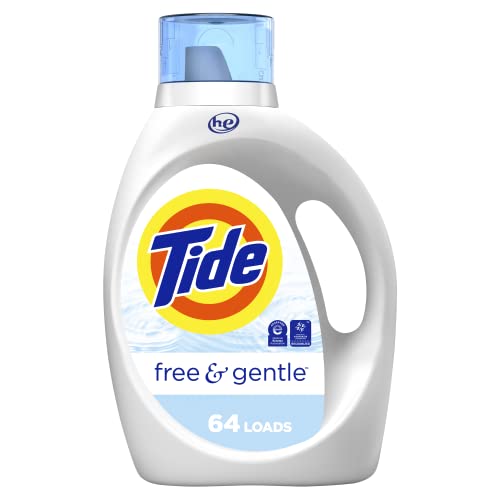
 Tide Free & Gentle Liquid Laundry Detergent132 Fl Oz (Pack of 1)6.37 x 10.06 x 13.43 inches11.3 PoundsCheck on Amazon
 Amazon Basics Concentrated Liquid Laundry Detergent82.5 Fl Oz (Pack of 1)7.5 x 4 x 11 inches6.1 PoundsCheck on Amazon
 ATTITUDE Free and Clear Liquid Laundry Detergent67.6 Fl Oz (Pack of 1)3.54 x 7.64 x 10.67 inches4.85 PoundsCheck on Amazon

What's inside
- The label distinction that decides how your laundry smells
- Why HE machines punish the wrong detergent
- Liquid detergent, the flexible default
- Powder, the underestimated workhorse
- Pods and packs, convenience with fixed arithmetic
- Certifications and claims worth trusting
- Sensitive skin, handled with evidence and patience
- Dosing, where good intentions usually overflow
- Water hardness, the invisible co author of every wash
- Avoiding excess suds before they start
- Stain strategy without scent or excess chemistry
- What to leave out of the wash entirely
- Machine care that keeps detergent honest
- Building a household routine that sticks
- Special loads, specific judgment
- Comparing formats in everyday prose
- Questions households ask again and again
- Bringing the whole routine together
- Cottage specifics: septic systems, stored water, and shared machines
- Reading an ingredient list without a chemistry degree
- Troubleshooting in prose, symptom by symptom
- Check prices on Amazon
- Disclosure
As an Amazon Associate I earn from qualifying purchases. This post may contain affiliate links at no extra cost to you.
The label distinction that decides how your laundry smells
Two bottles can sit side by side, both dressed in pale colors and gentle language, yet leave a load of towels smelling quite different. One says unscented, the other says fragrance free, and those phrases are not synonyms in the formulator vocabulary. Fragrance free generally means no scent ingredients were added to create a perfume impression. Unscented usually means the product was designed to have no noticeable odor, which can involve small amounts of masking compounds that neutralize the natural smell of surfactants and solvents. The finished liquid may smell like nothing at all while still containing chemistry that a highly reactive person would rather avoid.
That nuance matters most for households managing eczema, contact dermatitis, asthma, migraine triggers, or a newborn whose clothing gets washed alongside everyone else. A masking agent is not automatically harmful, and plenty of people use unscented products comfortably for years. The point is informed choice. If a dermatologist has advised avoiding fragrance allergens entirely, the stricter fragrance free claim, backed by a full ingredient disclosure, is the safer interpretation. If the goal is simply laundry that does not announce itself across a room, either category may satisfy, provided the dose and rinse are handled well.
Ingredient transparency has improved because manufacturers now publish component lists on product pages and through disclosure programs, naming surfactants, enzymes, builders, preservatives, and processing aids along with their functions. Reading those lists teaches a useful humility. Length alone proves little, since a short list can hide a potent irritant and a long list can describe a carefully balanced, well rinsed formula. Concentration, exposure time, water volume, and individual biology all shape the outcome that skin actually experiences.
High efficiency machines sharpen every one of these questions. They clean with far less water than the deep fill top loaders many people grew up with, so detergent chemistry meets fabric in a more concentrated bath and must leave again through limited rinse water. A fragrance level that seemed faint in an old machine can feel amplified when the same dose is squeezed into a modern front loader. Choosing the right product for an HE washer is therefore a combined decision about scent, suds, soil removal, and residue, not a hunt for a single virtuous word on a label.
Why HE machines punish the wrong detergent
An HE washer does not soak laundry in a deep tub. It tumbles garments repeatedly through a shallow pool, lifting and dropping them so mechanical action, chemistry, and time work together. Foam interferes with that choreography. A thick blanket of suds cushions the drop, so fabrics slide instead of flexing, and soil that should be flushed away stays suspended near fibers. Excess foam also confuses level sensing, stretches cycles with extra rinses, and in stubborn cases pushes sudsy water toward seals and dispensers where it dries into a sticky film.
Low suds formulation is the quiet engineering behind the HE symbol on a package. Surfactant blends for these machines are selected to release oily soil while allowing bubbles to collapse quickly, especially at the low water ratios inside front loading drums. Builders soften water and keep loosened dirt from settling back, enzymes digest specific stain families, and polymers help suspend particles until the drain carries them away. The HE mark signals compatibility with that environment. It does not certify gentleness for skin, absence of scent compounds, or any environmental virtue, and treating it as a general seal of goodness leads buyers astray.
Regular detergent in a tiny squirt sometimes appears to work, which is why the habit persists. Its foam profile and builder balance were tuned for larger water volumes, so results swing unpredictably with load size, temperature, and soil level. One week the towels seem fine, the next week a suds error interrupts a bedding load at midnight. Consistency is the real product an HE detergent sells. Predictable foam behavior across varied loads lets the machine sensors, spray rinses, and drain pump do their jobs without improvisation from the user.
Residue tells the longer story. Overdosed detergent meeting cool water and short cycles leaves deposits inside the outer tub, dispenser drawer, and door gasket folds. Those deposits feed the musty odor that later transfers onto supposedly clean laundry, prompting the frustrated response of adding even more detergent. Breaking that cycle rarely requires a stronger product. It requires the correct low suds product, measured honestly, plus periodic cleaning of the machine itself.
Liquid detergent, the flexible default
Liquid formulas dominate this category for practical reasons. They dissolve instantly in cold water, dispense cleanly through machine drawers, and allow fractional dose adjustments for small or lightly soiled loads. That adjustability is gold in an HE household, where the difference between a half load of gym clothes and a full load of work shirts should be reflected in the dose rather than ignored. Liquids also handle spot pretreatment gracefully, since a drop worked into a collar or cuff before washing uses the same chemistry as the main wash.
The weaknesses are equally familiar. Measuring caps are notoriously optimistic, with molded lines that are hard to read and a shape that encourages a generous pour. Many liquids contain substantial water, so the bottle is heavier to ship and store than its cleaning power suggests. Preservatives that keep a water based product stable on the shelf can themselves be sensitizers for a small minority of users, which is another reason ingredient disclosure matters more than front label poetry. People reacting to a liquid should not assume all liquids are culprits, nor that switching format alone will solve a skin problem.
Cold water performance is where better liquids earn loyalty. Modern surfactant systems and enzyme packages are designed to work at the lower temperatures that save energy and protect fabrics, but enzymes need time. A quick cycle with cold water and a heavy soil load asks chemistry to sprint, and disappointment follows even with excellent detergent. Giving a stained load the longer normal cycle is often more effective than doubling the dose, a principle that recurs throughout HE laundry care. Time is an ingredient, even though it never appears on the bottle.
Storage in a cottage laundry room adds one more consideration. Liquids can thicken in unheated spaces during winter and pour sluggishly, tempting users to guess the dose. Letting a cold bottle warm to room temperature before laundry day restores normal flow and measurement accuracy. Keep caps rinsed and threads wiped, because dried detergent around the neck glues caps shut and flakes into the dispenser. Small housekeeping habits protect the precision that the whole HE system depends on.
Powder, the underestimated workhorse
Powder detergents fell out of fashion in some markets, yet they solve several HE problems elegantly. Dry formulas can carry oxygen based stain removers and builders that are awkward in liquids, they weigh less per wash, and they store for long periods without the preservative load a liquid needs. For households washing mostly whites and sturdy cottons in warm water, a fragrance free powder can deliver bright results with remarkably little residue when dosed by weight or with a proper scoop.
The failure mode is incomplete dissolving. Powder poured onto dry fabrics in a cold, low water drum may sit in a fold and emerge as gritty specks or pale streaks on dark clothing. The remedy is placement and temperature awareness: add powder to the dispenser or to the drum before loading, choose it preferentially for warm washes, and avoid overfilling the scoop for small loads. Front loader dispensers designed for powder have different flow patterns than liquid inserts, so consult the machine manual before assuming the drawer handles both equally.
Hard water changes the powder calculation in your favor, because many powders include meaningful levels of softening builders that liquids may carry in lower amounts. Those builders bind calcium and magnesium before they can dull fabrics or react with surfactants. In very hard water areas, the right powder can outperform a prestige liquid that was formulated for average conditions. Water chemistry is local, and detergent choice should be local too, a theme this guide returns to when discussing hardness testing.
Caking is the storage enemy. A powder box left open in a steamy laundry room absorbs moisture, forms lumps, and then doses unevenly because a scoop of lumps weighs differently from a scoop of free flowing granules. Transfer powder to a sealed container, keep a dedicated dry scoop inside, and discard product that has hardened into a single mass or picked up odors from stored chemicals nearby. Detergent that smells of the garage will happily share that smell with your bedding.
Pods and packs, convenience with fixed arithmetic
Premeasured packs promise freedom from sticky caps and guesswork, and for many households they deliver exactly that. One pack, one load, no measuring. The film dissolves in the wash, freeing a concentrated dose that is usually formulated for HE machines with controlled suds. For a cottage where guests or teenage relatives do laundry, packs remove the most common error, which is free pouring enough detergent for three loads into one. Simplicity has genuine value when several people share a machine and instructions compete with habit.
The arithmetic, however, is fixed while laundry is not. A pack sized for a medium load overdoses a small load of delicates and underdoses a heavily soiled full drum of work clothes. Manufacturers sometimes suggest two packs for large loads, which doubles cost and still cannot match the fine gradations a liquid allows. Households that wash many partial loads, common when a small cabin crew rotates through limited clothing, may find packs quietly expensive and residue prone. Residue risk rises further in cold short cycles where film dissolution is slowest.
Safety must be stated plainly. Concentrated packs are a poisoning hazard for young children and vulnerable adults who may mistake them for sweets, and the film can irritate eyes if handled with wet hands and then rubbed. Store packs in their original closed container, out of reach, never in a decorative jar on the counter. Place the pack in the drum before adding clothes, never in the dispenser unless the machine maker explicitly allows it, and run a cycle promptly rather than leaving a pack to soften against damp fabric.
Film residue occasionally appears as a translucent patch on a garment, usually after an overloaded drum prevented free water circulation or a very cold cycle ended before dissolution completed. Rewashing the affected item in warm water without extra detergent typically clears it. If patches recur, the household pattern, not the brand, is the first suspect: smaller loads, warmer settings for sturdy fabrics, and placement at the drum rear beneath clothes usually resolve the problem. Switching to liquid for winter laundry in an unheated cottage is a pragmatic seasonal adaptation, not a brand betrayal.
Certifications and claims worth trusting
Third party programs give shoppers something sturdier than adjectives. The United States Environmental Protection Agency Safer Choice program evaluates cleaning products against criteria for human health and environmental safety, and its label indicates that ingredients have been reviewed within that framework. For laundry products, checking the program database confirms current status, because formulations change and a label photographed years ago may describe a product that no longer exists in that form. Certification is a snapshot with rules, not a lifetime guarantee.
The National Eczema Association Seal of Acceptance offers a different lens, focused on suitability for people with eczema and sensitive skin, with ingredient screening that excludes known sensitizers relevant to that population. A detergent carrying that seal has passed a specific review that matters greatly to some families and only mildly to others. It does not promise stain removal supremacy. Pairing a skin focused seal with realistic cleaning expectations prevents the disappointment of expecting a gentle formula to rescue a load of grease stained workwear in cold water on a short cycle.
Other verification programs screen ingredients against hazard lists and publish criteria that shoppers can read. The value lies in the published standard, not in the badge artwork. When a brand advertises dermatologist approval without naming a program, a panel, or a method, treat the phrase as decoration. When a brand links to a current listing in a recognized database, verification takes a minute and means something. Households comparing options for stackable laundry pairs, perhaps while reading best 24 stackable washer and dryers, already know the difference between a documented specification and a brochure adjective; detergent claims deserve the same discipline.
Hypoallergenic deserves special skepticism because the term lacks a single binding definition in laundry marketing. It signals an intention to reduce allergen exposure, nothing more precise. Similarly, natural and plant based describe ingredient origin rather than skin outcome, and plant derived compounds can be potent sensitizers. Poison ivy is perfectly natural. Judge products by disclosed ingredients, recognized seals, and your household experience over several weeks, not by pastoral artwork of leaves that never met a surfactant.
Sensitive skin, handled with evidence and patience
When a rash appears, detergent is an early suspect but rarely the only one. New clothing finishes, fabric softeners, scented dryer products, hot water, friction, sweat, and underlying eczema all compete as explanations. Changing five variables at once guarantees confusion. A calmer method switches only the detergent to a fragrance free option with strong disclosure, keeps every other product constant, and observes for several wash and wear cycles. Skin has a memory measured in weeks, and a verdict after two days is usually noise.
Rinsing is the unsung half of skin friendly laundry. Detergent that cleans brilliantly but lingers in thick towels will trouble reactive skin regardless of its ingredient pedigree. HE machines economize on rinse water, so an extra rinse for bedding, underwear, baby clothes, and anything worn against broken skin is a reasonable targeted measure. Extra rinses for every load waste water and time, so reserve them for the categories where skin contact is longest and closest. Pillowcases and sleepwear deserve priority over outer jackets.
Double rinsing cannot compensate for chronic overdosing. Surfactant residue scales with dose, and a cap filled to the top out of habit deposits more chemistry than any standard rinse can fully clear from dense fabrics. Measure the smallest dose the soil level justifies, then judge cleanliness after the load dries, because damp fabric hides both odor and residue feel. A slightly stiff hand feel on towels often signals residue rather than cleanliness, contrary to the squeaky intuition many people bring from dish washing.
For infants, wash new garments before first wear to remove finishing agents applied during manufacture and transport, using the household fragrance free detergent rather than a separate baby branded product unless a clinician advises otherwise. Baby specific detergents are often milder in cleaning power and higher in price per load, while a well chosen family product with an extra rinse achieves the same exposure profile. Keep it simple, keep it consistent, and write down what you used so a pediatric visit can proceed from facts instead of guesses.
Dosing, where good intentions usually overflow
More detergent does not linearly produce more cleaning. Surfactants work by surrounding soil and lifting it into the wash water, and once enough molecules are present to handle the soil load, additional product mostly creates foam, residue, and cost. Enzyme and builder components follow similar saturation logic. The correct dose is therefore a function of load size, soil level, water hardness, and product concentration, which is why the dosing chart on a package lists several scenarios rather than one heroic number.
Concentration confuses comparisons because ultra formulas may require half the volume of standard ones for the same load. Comparing cost per bottle across the shelf is meaningless; cost per correctly dosed load is the honest metric. Mark the cap line you actually need with a permanent pen at eye level, or decant liquid into a small measured cup that lives beside the bottle. Some households keep a kitchen scale for powder, since weight is more repeatable than scoop volume when granules settle. Precision tools feel fussy for one wash and liberating after a month of consistent results.
Load size estimation trips up even careful people. A drum that looks half full of dry towels becomes a dense, waterlogged mass that restricts movement, while the same visual volume of lightweight synthetics washes easily. Fill guidance from the machine maker, usually expressed as a loose fill to a stated level, beats folk rules. When in doubt, split the load. Two moderate loads with correct doses clean better, rinse cleaner, and dry faster than one heroic load with a double dose, and the total detergent used often ends up lower.
Travel and rental cottages add a dosing wrinkle because guests bring habits from different machines. A small laminated card near the detergent, stating the dose for a normal load in plain words and showing the cap line, prevents most mishaps. Hosts who stock fragrance free detergent also protect their machine from the scented, high suds products visitors might otherwise introduce. Clear instruction is hospitality, and it quietly preserves the gasket, dispenser, and drain pump from other people enthusiasm.
Water hardness, the invisible co author of every wash
Hard water carries dissolved calcium and magnesium that compete with detergent chemistry. Surfactants get consumed softening the water before they can attack soil, builders work harder, and mineral deposits gradually dull fabrics and machine components. The result is laundry that looks gray despite adequate detergent, towels that feel scratchy, and a temptation to escalate dose until foam becomes the next problem. Knowing your hardness number, from a municipal report or an inexpensive test strip, converts this frustration into an adjustable variable.
Soft water creates the mirror image trap. With few minerals to consume surfactants, a standard dose produces abundant suds and leaves residue that rinses away slowly. Households moving from a hard water city home to a soft water cottage, or installing a softener, often need to cut detergent substantially, sometimes to half of former habits. Suds visible through the door glass late in the wash are a practical indicator that the dose exceeds what the water requires. A thin scattering of bubbles early on is normal; a meringue that persists is information.
Well water at rural properties introduces iron and manganese in some regions, which stain fabrics and react unpredictably with oxygen based additives. A detergent cannot fix a water treatment problem, and blaming bottles in rotation wastes money. If whites yellow despite careful dosing and whites only cycles, have the water evaluated. Iron filters and softeners solve at the source what chemistry at the laundry sink can only partially mask. Note water treatment changes in a household log, because detergent needs shift the week a softener is installed.
Temperature interacts with hardness and detergent form. Warm water improves builder performance and powder dissolution, while cold water preserves colors and saves energy but narrows the margin for dosing error. In hard water with cold cycles, liquid formulas often behave more forgivingly because they disperse immediately. In soft water with warm cycles, powder can shine. Matching form to your actual water and temperature pattern is more productive than searching for a universal champion, a lesson homeowners apply instinctively when comparing machines like those in best 3 9 cu ft front load washers for a specific laundry closet rather than an abstract ideal.
Avoiding excess suds before they start
Prevention begins at the dispenser. Confirm that the product is labeled for HE use, measure rather than pour freely, and resist pretreating entire garments with full strength liquid that then joins the main dose. Spot treatment should be local and modest. When a load contains items previously washed with regular detergent by a helpful relative, expect residual surfactant to emerge and foam more than usual; a rinse and spin cycle before the main wash can purge that surplus.
Machine sensors handle mild excess by adding rinses or pausing to let foam collapse, routines that lengthen the cycle and worry owners who interpret the delay as malfunction. Repeated suds events, however, stress pumps and leave deposits. If the display shows a suds code, let the machine finish its correction routine rather than opening the door and adding improvised defoamers from the kitchen. Household remedies involving fabric softener or vinegar poured mid cycle circulate online, yet they interfere with cleaning chemistry and can void the careful balance of the remaining wash stages.
Foam also follows detergent mixing mistakes. Combining leftover amounts from two different bottles to finish them off creates an unknown concentration and an unknown suds profile. Use one product up fully, run a cleaning cycle if switching after a residue problem, and start the new product at the low end of its dosing range. Keep a simple note of which product is in use taped inside a cabinet door, dated, so the household evaluates one variable at a time rather than a rotating cast.
Children and guests deserve a friendly mention in any suds discussion, because enthusiastic helpers equate bubbles with cleanliness and pour accordingly. A measuring cup that only holds the maximum sensible dose, stored with the detergent, physically limits the error. For packs, a container that dispenses one at a time slows down double dosing. Designing the laundry area for the least experienced user protects the machine more reliably than scolding after a foam incident.
Stain strategy without scent or excess chemistry
Enzymes are the specialists inside modern detergents. Protease tackles protein stains such as egg and blood, amylase works on starches, lipase addresses greasy residues, and cellulase smooths cotton fibers to release trapped dirt and reduce pilling appearance. Each enzyme prefers certain temperatures and needs contact time, which is why a soak or a longer cycle often outperforms a larger dose. Cold water protects blood stains from setting, while greasy collars respond better to warm water and pretreatment. Matching stain type to method matters more than brand loyalty.
Oxygen based stain removers, typically built on sodium percarbonate in powders or added boosters, release hydrogen peroxide in warm water and help with tea, wine, and many organic discolorations. They are color safe for most fabrics when used as directed, unlike chlorine bleach, which can yellow synthetics, damage elastic fibers, and react dangerously with other chemicals. Keep oxygen boosters fragrance free as well if skin sensitivity motivated the detergent choice; a scented booster can quietly reintroduce everything the main product avoided.
Timing beats force. A stain treated within hours, kept damp, and washed with an appropriate cycle usually clears, while a stain baked through a hot dryer cycle becomes a long term resident. Inspect stained items before drying, because heat sets what water might still release. Retreat and rewash rather than escalating to harsh chemicals immediately. This patience also protects fabrics in rental cottages, where a guest may not report a spill until checkout day; a soak in oxygen solution while other turnover tasks proceed can rescue linens without drama.
Odor in athletic clothing deserves separate tactics because synthetic fibers harbor oily residues and bacteria in their structure. A detergent dose at the correct level, warm water where care labels allow, and thorough drying usually restore neutrality. Masking odor with scented products only postpones the reckoning and can build a waxy layer that traps smells more stubbornly. Where odor persists, a fragrance free laundry sanitizer rated for the fabric, used occasionally and rinsed well, addresses the microbial side without perfuming the garment.
What to leave out of the wash entirely
Fabric softener is the most common saboteur of a fragrance free routine. Many softeners are heavily scented, and their coating reduces towel absorbency while building up on moisture wicking athletic fabrics. If softness is the goal, proper dosing, not overloading the drum, and prompt drying achieve much of it. Wool dryer balls provide mechanical softening without chemistry for those who want an aid. Scent boosters, by design, exist to deposit fragrance that survives rinsing, which directly contradicts the purpose of choosing an unscented detergent in the first place.
Dryer sheets raise a similar conflict at the next stage, coating fabrics and machine sensors with scented residue. A household that invests in fragrance free washing and then tumbles everything with perfumed sheets has built a very expensive circle. Static can be managed by avoiding over drying, separating synthetics, and removing laundry promptly. Where static is severe in winter heated air, a humidifier in the living space often helps more sustainably than another disposable product in the drum.
Homemade detergent recipes circulate widely and deserve respectful skepticism. Grated soap, washing soda, and borax mixtures can clean lightly soiled laundry in some conditions, but soap based formulas behave poorly in HE machines and hard water, leaving scum on fabrics and tub surfaces. They also lack enzymes and modern builders, and their residue can affect machine warranties. For households managing skin conditions, homemade mixtures offer no ingredient standardization at all. A commercial fragrance free product with published disclosure is the more controllable choice.
Essential oils are sometimes suggested as a natural way to add a pleasant note, which misunderstands both the goal and the chemistry. Oils can stain, irritate skin, degrade elastic, and introduce flammability concerns in dryers. If a household member simply misses scent, keep scented products confined to items that never touch reactive skin, such as outerwear, rather than perfuming the shared wash. Separation preserves peace better than compromise chemistry in every load.
Machine care that keeps detergent honest
Even a perfectly chosen detergent cannot perform through a dirty machine. The dispenser drawer accumulates gelled residue that seeds each new load with old product, the gasket folds in a front loader trap moisture and lint, and the drain pump filter collects coins, hairpins, and sludge that slow drainage. Monthly attention to these three areas, following the manual for your model, keeps wash results representative of the detergent rather than of accumulated neglect. Leave the door and drawer ajar between loads so interior surfaces dry.
Cleaning cycles with an empty drum and a machine cleaner, or hot water where the maker allows, strip biofilm that causes musty transfer onto laundry. If laundry smells musty straight from the wash, the machine is the first suspect, not the bottle. Address the tub, gasket, and dispenser before switching detergents, otherwise a new product gets blamed for an old machine problem and the cupboard fills with half used bottles. This diagnostic order saves money and is easy to teach everyone in the household.
People outfitting a compact laundry space often compare cleaning appliances in parallel, reading about best 18 dishwashers while planning where a washer will fit, and the maintenance parallel holds there too. Machines that handle water and soil need periodic cleaning regardless of the quality of inputs. Detergent choice and machine hygiene are partners; neither compensates indefinitely for the absence of the other.
Water inlet filters and hoses merit a yearly glance, particularly on well systems where sediment varies seasonally. Low fill pressure lengthens cycles and can alter how dispensers flush powder, leaving granules behind that later fall onto a dark load. If powder residue appears suddenly after months of good results, check dispenser flushing and water flow before condemning the formula. Machines communicate through small changes in behavior, and attentive owners learn the dialect.
Building a household routine that sticks
Sort by fabric behavior and soil, not by color alone. Whites tolerate warm water and oxygen additives, darks prefer cool water and inside out handling to protect dyes, and heavily soiled work clothing should not share water with baby garments if hygiene is a concern. Delicates need containment in mesh bags and gentler agitation. Sorting well reduces the need for aggressive chemistry, because each load gets conditions suited to its contents rather than a compromise that serves nothing fully.
Establish a default load template for your household: the usual size, the usual dose marked on the cap, the normal cycle, and cool or warm water as your fabrics dictate. Defaults remove daily decision fatigue. Deviations then become deliberate: an extra rinse for bedding during allergy season, a soak for stained napkins after a holiday meal, a smaller dose for a soft water week at the cottage. Written on a card inside the cupboard, the template survives memory lapses and helps partners, guests, and older children produce identical results.
Evaluate any new detergent over at least a dozen varied loads before judging it. First impressions overweight novelty, and a single muddy load can condemn a good product while a single easy load can crown a mediocre one. Note stain outcomes, odor after drying, skin response, suds behavior, and cost per load in a simple log. Patterns emerge quickly on paper. This measured approach mirrors how careful buyers assess any appliance, and it prevents the cupboard of abandoned bottles that plagues so many laundry rooms.
Seasonal shifts deserve a calendar note. Summer brings sunscreen, sweat, and grass stains, plus higher humidity that slows drying and encourages mildew odors if laundry sits. Winter brings heavier fabrics, static, and cold supply water that challenges powder dissolution. Adjust cycle selection and drying promptness with the seasons rather than changing detergent brands in a panic. The product that served in July usually still serves in January once water temperature and load composition are acknowledged.
Special loads, specific judgment
Bedding and towels
Bulky absorbent items are residue magnets. Wash towels without softener, at a dose suited to their soil rather than their dry size, and give them room to tumble by loading fewer than instinct suggests. Bedding benefits from an extra rinse during pollen season for sensitive sleepers. Shake out duvet covers so they do not balloon and trap other items inside, a common cause of uneven cleaning that gets misattributed to detergent weakness.
Cloth diapers and baby items
Cloth diapers demand thorough soil removal and complete rinsing, often with a prewash, hot main wash where the diaper maker allows, and an extra rinse. Fragrance free detergent with enzymes suits this routine, and dose must reflect the heavy soil load honestly. Avoid softeners and thick creams residue on diaper fabrics because absorbency is their function. Anyone unsure about sanitation temperatures should follow pediatric and manufacturer guidance rather than folklore from social media groups.
Technical and outdoor clothing
Rain shells and insulated layers carry durable water repellent finishes that heavy detergent doses and softeners can impair. Use a modest dose of fragrance free liquid, rinse thoroughly, and follow the garment maker instructions about heat in the dryer to reactivate repellency. Down items need space, gentle cycles, and complete drying with clean dryer balls to restore loft. These specialty loads reward restraint; the goal is removing body oils and trail dirt without stripping engineered finishes.
Hand washing and travel
For sink washing while traveling, a few drops of the same fragrance free liquid used at home keep skin exposure consistent and avoid hotel scented products. Rinse until water runs clear and no slick feel remains, which takes longer than most people expect. Roll garments in a towel to remove water before hanging. At a rental property, resist the provided scented detergent for underwear and sleepwear if those items trigger your skin; a travel bottle of your own product is small insurance.
Comparing formats in everyday prose
If a household values flexibility above all, liquid wins because dose can follow load size precisely and pretreatment is effortless. If a household values shelf life, warm water cleaning power, and lower packaging weight, powder deserves a fresh trial with correct dispenser technique. If several inexperienced users share the machine and measuring discipline is hopeless, packs impose order at a higher cost per load and with fixed dosing that suits medium loads best. None of these verdicts is universal, because water, habits, and skin differ across homes.
Cost accounting should include waste. A cheap liquid poured carelessly is more expensive per clean load than a pricier powder measured by weight. A pack that prevents guest overdosing in a rental cottage may pay for itself in avoided machine cleaning. Conversely, a bulk powder that cakes in a humid laundry room and gets discarded represents total loss. Buy sizes you will finish while the product is fresh, store them properly, and let real consumption data from your log guide the next purchase.
Environmental considerations follow a similar honest pattern. Concentrated formulas, refill systems, cardboard packaging, and cold water washing all reduce footprint, but a product that fails and causes rewashing wastes more than packaging choices save. Choose a fragrance free detergent you will dose correctly and that cleans in one pass at moderate temperatures. Efficiency in use beats virtue on the label, a principle as true for laundry chemistry as for the machines compared in best 24 inch dishwashers and other space conscious appliance guides.
Questions households ask again and again
Can I use fragrance free detergent and still get whites bright?
Brightness comes from soil removal, water temperature appropriate to the fabric, oxygen based additives where needed, and not overloading the drum. Fragrance never contributed to whiteness; it only perfumed the result. Dinginess usually traces to hard water minerals, residue buildup, or mixing whites with darker items that shed dye and lint. Separate whites consistently, address hardness with suitable builders or treatment, and run a machine cleaning cycle when graying appears across many fabrics at once. The detergent scent status is almost never the variable responsible.
Why do my clothes smell fine wet but sour after drying?
Sour odor after drying often points to laundry that sat damp too long, a machine with biofilm in hidden surfaces, or residue feeding microbes within thick fabrics. Transfer loads promptly, leave the washer door open between uses, and clean the gasket folds where moisture lingers. Check that the dose is not excessive, because surplus surfactant becomes food for odor producing growth inside the outer tub. If the problem arrived suddenly, inspect the drain pump filter for trapped debris holding stagnant water.
Is an extra rinse always better for sensitive skin?
Extra rinsing helps when residue is the issue, yet it cannot fix a reaction to an ingredient that binds to fabric or to a completely different exposure such as a new body lotion. Use extra rinses strategically for items with long skin contact, and change only one variable when troubleshooting. If symptoms persist despite fragrance free detergent, correct dosing, and thorough rinsing, a clinician or allergist can test specific compounds rather than leaving you to eliminate products by guesswork for months.
What should I stock for guests with unknown sensitivities?
Keep one clearly labeled fragrance free HE detergent, skip scented boosters and softeners for guest linens, and wash towels and sheets with an extra rinse before arrival. Provide the measuring cup with the dose marked, and mention in your house notes that the detergent is fragrance free, which guests with sensitivities will appreciate and others will barely notice. Neutral laundry is the hospitality equivalent of a well ventilated room: it offends nobody and quietly serves everybody.
Bringing the whole routine together
The best unscented detergent for an HE washer is ultimately the one whose label language you understand, whose ingredients you can inspect, whose format matches your water and habits, and whose dose you can repeat accurately on an ordinary tired evening. Fragrance free claims, recognized seals, enzyme lineups, and builder systems all matter, but they matter through the routine you actually follow. A modest product used precisely outperforms a celebrated product poured carelessly, in cleaning, in skin comfort, in machine health, and in cost.
Start your next purchase by deciding which problem you are solving. If scent itself is the issue, read for the stricter fragrance free claim and ignore masking based alternatives. If foam and residue are the issue, audit dose and machine hygiene before blaming the formula. If stains disappoint, add time, pretreatment, and enzyme awareness rather than volume. Each diagnosis points to a different shelf, and confusing them is how laundry cupboards fill with expensive half solutions.
Write the winning routine down once it works: product, format, dose for your standard load, water setting, and when you add an extra rinse. Tape that card where the detergent lives. Months from now, when a load goes wrong, the card lets you spot what changed instead of starting the search over. Laundry rewards systems, and a fragrance free HE routine is a small system that pays its owners back every single week.
Cottage specifics: septic systems, stored water, and shared machines
Rural properties often drain laundry water into a septic system, which adds a biological audience to every wash. Septic tanks depend on microbial communities that break down household waste, and while normal doses of modern detergent are compatible with healthy systems, chronic overdosing, antibacterial additives used indiscriminately, and large volumes of bleach can disturb that balance. Fragrance free HE detergent at correct doses is a septic friendly habit almost by accident, because the same restraint that prevents suds also limits chemical load entering the tank. Space loads through the day rather than running six consecutive cycles on a Saturday turnover, giving the system time to handle gray water evenly.
Rainwater tanks and low yield wells create a different pressure: water itself is precious. Extra rinses then become a considered expense rather than a reflex, reserved for bedding and undergarments of sensitive sleepers instead of every load. In such homes the priority order shifts toward precise dosing, since residue prevented needs no rinse water to remove. A liquid measured with a marked cup shines under water scarcity, while powder users should favor warm washes that dissolve fully the first time and avoid rewashing. Conservation and skin comfort stop competing once dosing discipline improves; most conflict between them was waste wearing a disguise.
Shared machines in multi generation cottages accumulate habits like sediment. One person uses packs, another tops up with a scented liquid brought from home, a third adds softener out of nostalgia, and the fragrance free routine quietly dissolves. The fix is social rather than chemical: agree on one house detergent, store alternatives elsewhere if they must exist, and frame the choice around the most sensitive person who sleeps in the building. Nobody misses perfume on a towel for long, whereas one night of itchy skin for a grandchild gets remembered all winter. House rules posted kindly beside the machine outlast verbal agreements made at arrival.
Reading an ingredient list without a chemistry degree
Ingredient disclosures look forbidding until you sort them by job rather than by syllable. Surfactants are the lifters, with names often ending in sulfate, sulfonate, or glucoside, and they do the central work of separating soil from fiber. Builders follow, such as citrate or carbonate, managing minerals and alkalinity. Enzymes appear under their functional names, preservatives guard water based formulas, and chelating agents keep metal ions from interfering. When fragrance components are present in a fragrance free claim context, they should be absent or clearly explained, and many makers now publish allergen statements that name the regulated fragrance allergens considered most relevant to sensitive users.
Percentages are rarely given, so order and function carry the available information. A surfactant near the front is a main actor; a component near the end may be present in a tiny but functional amount, as with enzymes and preservatives. Do not dismiss a product because an unfamiliar name sounds industrial, and do not embrace one because every name sounds like it grew in a garden. Toxicology is dose plus exposure, and laundry is a rinse away exposure when the system works properly, which circles back to why dosing and rinsing dominate real outcomes.
Keep a personal list of ingredients that have troubled your household, with dates and symptoms, and compare it against disclosures when shopping. Over a year, that notebook becomes more valuable than any influencer ranking, because it describes your biology rather than a stranger experience. If a new product causes trouble, the list helps identify shared components with earlier culprits. Share the list with your clinician when reactions persist; pattern recognition across products is exactly the evidence that turns a vague complaint into a testable hypothesis.
Troubleshooting in prose, symptom by symptom
When laundry emerges with a stale smell despite a fresh bottle, resist swapping brands immediately and instead interrogate the sequence: how long did the load sit after finishing, how hot is the room, when was the gasket last wiped, and does the dispenser smell sour on its own. Nine times out of ten the trail ends at moisture and time rather than at detergent chemistry. Correct the sitting habit for a fortnight, clean the folds and drawer, and only then judge whether the product itself underperforms.
When dark clothes show pale streaks, think about contact and dissolution before thinking about dye loss. Powder added after the clothes, liquid poured directly onto a dry folded stack, or a pack trapped inside a shirt can all deposit concentrated product that lifts appearance unevenly. Rewash the affected items inside out with no added detergent and warm water; most streaks fade because they were residue, not damage. Change placement habits afterward and the problem rarely returns, which is a satisfying outcome for an issue that looks like ruined clothing.
When skin flares coincide with new bedding rather than new detergent, consider what else changed: a different pillow, higher pollen counts, heating switched on for the season, or a scented product used by a partner. Laundry is one exposure among many, and honest troubleshooting respects that complexity. Wash the bedding again with an extra rinse, air the room, and observe. Methodical calm resolves most laundry mysteries faster than the dramatic purge of every product in the cupboard.
One final shopping habit protects every decision in this guide: photograph the ingredient panel and dosing chart of the bottle you bring home, and keep that photograph with your household records. Formulations drift quietly over the years, and when a familiar product suddenly behaves differently, comparing the new panel with your photograph tells you within minutes whether the maker changed the recipe or whether something in your own routine moved first.
Check prices on Amazon
Live listings for the shortlist in this guide are pulled from Amazon below, so prices and availability are always current at the moment you look.


Disclosure
Before you buy anything on the strength of these pages, know how they were put together: our research drew on manufacturer specifications, public ingredient disclosures, and the published criteria of recognized certification programs, and no detergent maker directed or rewarded any conclusion here. Skin conditions vary widely, so guidance in this guide supports, but never replaces, advice from your own clinician about reactions you experience. Prices and formulations change without notice, which is why this guide discusses characteristics and verification methods rather than promising that any single bottle will remain identical forever.
When the last towel of the evening comes out warm, neutral, and soft without any perfume trailing behind it, that quiet result is the standard every future load in this house should be measured against.