Our Top Picks
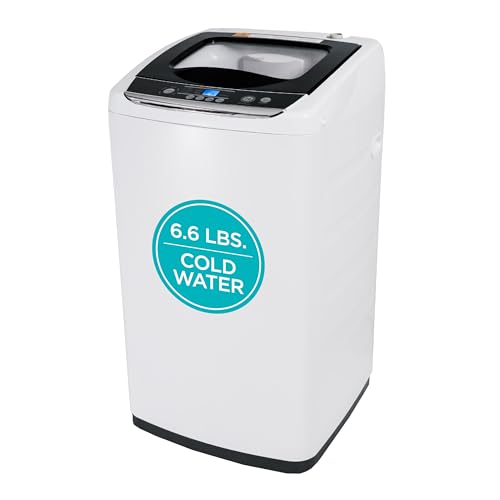 BLACK+DECKER 0.9 Cu. Ft. Portable Washer0.9 Cu. Ft.17.7 x 17.3 x 31.1 inches48.4 poundsCheck on Amazon
 LumenOrbit Portable Washing Machine【Upgraded 20L Capacity・3 Modes Deep11.8 x 11.8 x 7 inches4 poundsCheck on Amazon



What's inside
- How to read this guide
- Decibels without the usual confusion
- Where the sound actually comes from
- Motors: direct drive, inverter control and belts
- Anti-vibration design, piece by piece
- Front load versus top load acoustic profiles
- Installation: the half of quietness nobody buys
- Night cycles, delay starts and household timing
- Placement near bedrooms and nurseries
- Reading specification sheets like an auditor
- When an existing machine grows louder
- Programme by programme: where each cycle spends its noise
- Heating, water and the quieter background sounds
- Measuring noise at home, honestly
- Pairs, stacks and shared laundry spaces
- Maintenance that preserves the original quietness
- Load size, load mix and the physics of a calm spin
- What to ask before money changes hands
- Seasonal and household changes that alter the sound
- Energy labels, spin efficiency and their hidden acoustic cost
- A preparation checklist for the quietest realistic result
- Check prices on Amazon
- Balancing quietness against everything else
As an Amazon Associate I earn from qualifying purchases. This post may contain affiliate links at no extra cost to you.
How to read this guide
A washing machine is the loudest appliance most households run for an hour at a time, and it does its loudest work in short, intense bursts that carry through floors and partition walls. Choosing a quiet model therefore means reading noise figures properly, understanding which mechanical systems generate sound, and recognising how much of the result depends on the room rather than the machine. This guide works through each of those layers in order, using published decibel figures, motor descriptions, vibration-control designs and installation requirements as its evidence base.
As an Amazon Associate, this site earns from qualifying purchases, and that arrangement is stated here once so readers can weigh product presentation accordingly while relying on the acoustic explanations, specification comparisons and setup checklists that follow. No decibel figure in this guide should be taken on trust from a headline. The sections below explain where such figures come from, why wash and spin values differ so sharply, and which conditions in a manufacturer’s test room will never be reproduced in a tiled utility corner at home.
Start with the decibel material if model shortlists already exist, because it teaches how to compare two labels honestly. Start with the installation sections if a current machine seems excessively loud, since levelling, flooring and clearance faults frequently masquerade as a defective appliance. The closing checklist gathers the preparation work that gives any quiet machine, old or new, the conditions it was designed to assume. Noise is partly bought and partly built on site, and this guide refuses to credit the purchase with the share that belongs to preparation.
Decibels without the usual confusion
The decibel scale is logarithmic, which means its numbers compress enormous physical differences into modest-looking gaps. A rise of ten decibels represents roughly a doubling of perceived loudness for most listeners, even though the underlying sound energy has multiplied far more. Three decibels is a threshold many people barely notice in isolation. Five decibels is clearly audible when two machines run in succession. Ten decibels transforms the character of a room, turning background hum into a presence that conversation must negotiate around.
That mathematics disciplines every comparison in this guide. A washer rated a few decibels below a rival is not a few percent quieter; it occupies a noticeably different acoustic category, particularly during the spin phase when figures climb. Conversely, chasing a single decibel at considerable expense buys almost nothing a listener can identify blind. Shoppers should therefore group models into broad quietness bands rather than ranking them by hair-splitting single digits, then let capacity, reliability and price decide within each band.
Weighting matters too. Domestic appliance figures are normally expressed in A-weighted decibels, a scale that discounts very low frequencies because human hearing is less sensitive to them. The discount is reasonable for comparing overall annoyance, yet it hides the low thrum that travels through joists and is felt as much as heard. Two machines with identical A-weighted spin figures can differ in how much vibration they inject into a floor. That is why this guide treats airborne sound ratings and vibration control as separate topics, each deserving its own scrutiny.
Why labels quote two numbers
European-style energy labels and many manufacturer specification sheets state separate values for washing and spinning, and the gap between them is large. Agitating or tumbling a wet load is comparatively gentle work, while extracting water at high drum speed demands violent energy management. A machine might publish a wash figure in the high forties or low fifties and a spin figure in the low to mid seventies. Quoting only the wash number in advertising copy is technically accurate and practically misleading, since the spin is what neighbours hear through a wall.
Read both figures, and weight the spin value more heavily when the machine will live near bedrooms or in open-plan space. Also note the spin speed attached to the spin figure, because ratings are typically measured at maximum extraction speed. A model that reaches its published quietness only at a reduced setting has disclosed something important in its fine print. Specification sheets sometimes bury the test speed in footnotes, so comparing two spin figures without checking their speeds can reward a machine simply for spinning slower during measurement.
Test rooms versus real rooms
Laboratory ratings are gathered under standardised load, flooring and microphone conditions designed for repeatability, not for resemblance to any particular home. A concrete test floor swallows vibration that a suspended timber floor would amplify. A standard cotton load behaves more politely than a single heavy bath mat. Consequently, a rated figure functions best as a comparison tool between models measured the same way, not as a promise about the sound level beside a particular sofa. Expect a real installation to sound louder, and plan placement accordingly.
Distance changes everything in practice. Sound falls as the listener moves away, and doors, even lightweight internal doors left ajar versus firmly closed, alter what reaches a bedroom by amounts comparable to the difference between model tiers. A moderately quiet machine behind a closed door in a utility room can easily outperform a flagship quiet model running in an open kitchen-diner. Layout decisions available for free should be exhausted before money is spent chasing laboratory digits.
Where the sound actually comes from
During washing, most noise originates outside the drum’s rotation itself. Fill valves snap open, drain pumps whirr in pulses, water sloshes and fabric slaps against lifters as the drum reverses. Motor whine underlies these events at modest volume. The resulting wash-phase character is irregular and watery rather than mechanical, which many people find easier to ignore even at similar measured levels. A machine can therefore feel restful during washing while still disappointing badly ten minutes later.
Spin noise has different parents. The drum and its sodden load become a heavy rotating system that is never perfectly balanced, so the cabinet receives rhythmic forces that grow with speed. Bearings transmit a rising hum, the motor works at its hardest, panels resonate at sympathetic frequencies and anything touching the cabinet joins the performance. Loose change forgotten in a pocket, a bra wire escaped into the drum periphery or a coin trapped in the drain filter adds sharp punctuation that no acoustic design anticipated.
Pumps deserve separate attention because their sound often dominates the quiet intervals between spins. A drain pump straining against a partially blocked filter produces a strained, cycling note quite unlike its healthy hum. Before condemning a machine’s acoustic design, owners should clear the filter, check the drain hose for kinks and confirm the machine is not trying to empty uphill beyond its rated head height. Maintenance restores the baseline that specification figures assume.
Fill noise is the most neglected contributor. High household water pressure makes inlet valves hiss and pipes knock when valves close sharply. A machine installed in a home with aggressive static pressure may sound harsh during fills regardless of its drum engineering. Pressure management at the plumbing level, including checking whether an arrestor is fitted near fast-closing valves, belongs in any serious noise investigation that begins with complaints about banging at cycle start.
Motors: direct drive, inverter control and belts
In a direct-drive design the motor’s rotor attaches to the drum shaft without an intervening belt, removing belt squeal, belt slap and one source of wear-related noise growth. Such motors also allow precise electronic control of drum motion, which manufacturers exploit for gentle load redistribution before spin. The acoustic benefit is real but should not be overstated: bearings, pumps and cabinet resonance remain, and a poorly isolated direct-drive machine can still thrum through a floor with conviction.
Inverter control describes how the motor is powered and regulated, enabling smooth speed changes instead of abrupt steps. Smooth ramping reduces the startling lurches that make spin-up events so noticeable, and it lets the machine creep up on its balance limits gradually, retreating when vibration sensors object. Many belt-driven machines also use inverter control, so the two terms are not rivals. A listing that advertises inverter technology has described its electronics, not necessarily its mechanical layout, and both details deserve a place in any comparison.
Belt drive, fairly judged
Belt systems carry an unfair reputation in quietness discussions. A well-tensioned modern belt on a sound motor can run very quietly, and belts provide a degree of mechanical isolation between motor vibration and drum. Their acoustic risk arrives with age: belts glaze, crack or loosen, pulleys wear, and noise grows gradually enough that owners adapt until a visitor remarks on the din. If an older belt machine has become loud slowly over years, inspection of the belt and pulleys belongs on the diagnostic list before replacement is contemplated.
Brush noise once separated motor generations clearly, since carbon brushes on universal motors produced a characteristic whine and wore audibly. Most current full-size machines use brushless designs of one architecture or another, narrowing that gap. What still separates models is control sophistication: how delicately the electronics balance a load, how early vibration is detected, and how gracefully the machine abandons a spin attempt and redistributes laundry instead of forcing its way upward through a damaging resonance band.
Spin speed, extraction and the noise trade
Higher maximum spin speeds extract more water, shorten drying time and reduce tumble-dryer energy, but the final increments of speed produce disproportionate noise and vibration. The jump from moderate to maximum extraction is where cabinets protest loudest and floors participate most. Many loads, particularly sturdy cottons, tolerate a capped spin with only modest extra dampness. Owners who habitually select a reduced spin for evening loads often gain more peace than owners who buy a nominally quieter machine and always run it at full speed.
Fabric type mediates this trade. Delicates and wool programmes already restrict speed for garment protection, and their acoustic footprint shrinks accordingly. Bulky synthetics hold water differently and can unbalance a drum at speeds that cottons accept calmly. Understanding a household’s actual load mix therefore predicts its noise experience better than any single rating. A family washing mostly school uniforms and towels lives in the spin figures; a household of light synthetic sportswear lives nearer the wash figures.
Anti-vibration design, piece by piece
The classic solution to drum imbalance is mass. Concrete or cast counterweights bolted around the tub raise the system’s inertia so a given lump of wet laundry disturbs it proportionally less. Mass works, though it makes machines heavy to deliver and gives floors more static load to carry. Some designs supplement fixed weights with a liquid-filled balance ring at the drum rim, whose contents migrate opposite an imbalance and partially cancel it in motion. The ring helps most at speed, less during the chaotic acceleration phase where imbalance is at its worst.
Suspension does the second half of the work. Springs support the tub from above while friction or hydraulic dampers below absorb its excursions. Worn dampers announce themselves through a machine that has grown lively gradually, travelling further during spin and knocking on hard loads it once handled calmly. Damper condition is thus an acoustic topic, not merely a mechanical one. A mid-life machine that walks across a utility floor may need suspension attention rather than replacement, and restoring its damping restores its original noise character as well.
Sensors and redistribution intelligence
Modern control systems measure imbalance through motor load patterns and dedicated vibration sensing, then decide whether to spin, redistribute or drain and retry. Redistribution involves tumbling the load apart at low speed, sometimes adding a little water to loosen a balled sheet or towel mass. Each retry adds minutes and small sounds of its own, yet prevents the far louder event of a forced spin with a badly placed load. A machine that occasionally pauses and shuffles before spinning is displaying intelligence, not indecision, and owners should resist cancelling the cycle at that moment.
Load composition defeats even clever sensing when a single dense item dominates. One bath mat, one pair of heavy jeans among light shirts, or a waterproof jacket that holds a pocket of water will repeatedly fail balance checks. Mixing load sizes, washing very heavy singles with a couple of towels as ballast, and unballing sheets before they enter the drum all reduce failed spins more reliably than any setting. Quietness, in this respect, is partly a laundry-sorting skill that no purchase can fully replace.
Cabinet construction and panel behaviour
Thin steel panels behave like drum skins at certain frequencies, radiating sound efficiently when excited. Quieter cabinets use embossed stiffening patterns, damping pads, tighter fastener schedules and side panels shaped to resist drumming. The difference is audible as a change in character: a well-damped cabinet produces a contained hum, while a resonant one adds a hollow boom that exaggerates modest vibration. Knocking on a showroom cabinet is a crude but not useless gesture; a dull response suggests better damping than a bright, ringing one.
Feet and their interface with the floor complete the system. Rubber foot pads decouple the cabinet from hard surfaces, and their condition matters. Perished, flattened or missing pads transmit vibration directly, and a machine resting on three pads and one bare adjuster will rock and roar regardless of its internal sophistication. Replacement pads cost little and should be checked whenever a machine is pulled out for hose or filter work, since access will never be easier than at that moment.
Shoppers weighing purchase price against acoustic performance will find the budget end of the market instructive, and the companion overview below maps what compromises typically arrive at lower price points.
best affordable washers
Front load versus top load acoustic profiles
Front-loading machines spin on a horizontal axis, lifting and dropping laundry through water at wash speeds, then pressing it against the drum wall at extraction speeds. Their imbalance forces act in multiple planes, which is why their suspension and balancing systems are so elaborate. At their best they achieve the lowest spin figures in domestic laundry, aided by high extraction speeds that finish the noisy phase quickly. At their worst, on a springy upper floor, their rhythmic thump carries through a house structurally.
Top-loading designs, whether agitator or impeller based, spin around a vertical axis. Gravity keeps the load settled toward the drum base, and imbalance tends to produce a wobble rather than the front loader’s orbital pounding. Traditional agitator models often publish higher noise figures and use more water, while modern impeller machines narrow both gaps. Their wash-phase sound differs too, with a rhythmic swish or mechanical churn that some listeners find more intrusive than a front loader’s tumble, even at comparable measured levels.
Combined wash-and-dry appliances introduce a second acoustic chapter after the spin, since drying adds fan and heating noise for an extended period, and readers comparing those machines specifically can follow the dedicated discussion here.
best combo washer dryers
Household layout should arbitrate this comparison more than abstract preference. A top loader under a low shelf cannot open; a front loader in a narrow corridor blocks passage with its door swing. Noise interacts with those constraints because a machine that fits poorly gets its door left open, its cabinet touching joinery, or its feet adjusted carelessly to clear an obstruction. The quieter machine in a catalogue can become the louder machine in a compromised alcove, so measure the space with the same care given to reading decibel tables.
Installation: the half of quietness nobody buys
Transit bolts exist to lock the suspended tub during transport, and a machine run with them still fitted is spectacularly loud, rigid and at risk of damage. This elementary check precedes all others on a newly delivered appliance that shakes violently from its first spin. The bolts hide behind plastic caps on the rear panel, their number and positions shown in every installation manual. Retain them after removal, labelled, because any future house move requires them again, and moving a machine without refitting them invites the suspension damage that later presents as chronic noise.
Levelling, done properly
A machine must stand level and, just as importantly, with all four feet bearing weight firmly. Rock the cabinet diagonally after levelling: any click or movement identifies a lightly loaded foot that will chatter during spin. Adjust that foot down until the rock disappears, then lock its nut against the chassis where the design provides one. A spirit level across the top in both directions confirms the geometry, but the rock test confirms the contact, and contact is what silences the feet.
Levelling interacts with floor slope in older houses, where a utility floor may fall noticeably toward a drain. Chasing perfect level on a sloped floor can leave feet extended unevenly near their thread limits. Stability outranks geometric perfection in that contest: a machine a degree off level but planted immovably will run quieter than a perfectly levelled machine teetering on overextended adjusters. Recheck after a week of service, because feet settle into vinyl and timber surfaces and small rocks develop where none existed at installation.
Floors, and why they dominate outcomes
Ground-floor concrete is the acoustic ally every manufacturer assumes. Suspended timber, especially on upper floors or in converted spaces, behaves like a sounding board, amplifying low-frequency vibration into rooms below. Reinforcement options range from a thick, dense paving slab beneath the machine, which spreads load and adds mass, to purpose-made anti-vibration mats whose benefit varies with floor construction. Thin foam pads under individual feet can worsen matters by allowing the machine to bounce, so generic softness is not a strategy.
Placement within a floor matters as well. Mid-span positions on joisted floors flex most, while spots near load-bearing walls or directly above supporting structure flex least. Moving a machine a metre along a wall can change its floor coupling audibly. Where plumbing allows a choice, choose the structurally quiet corner. Tiled floors over concrete give a firm, honest base; tiles over flexible boards inherit the boards’ behaviour and can crack if a lively machine is left walking across them.
Clearances and contact noise
A cabinet touching a wall, a worktop or an adjacent appliance transmits vibration directly and adds a buzzing contact note that owners often mistake for internal failure. Manufacturers specify small clearances on sides, rear and top for ventilation and movement; respecting them is an acoustic measure as much as a service one. Hoses and the drain standpipe deserve the same attention, since a hose pressed against a hollow wall panel drums steadily during pump operation. Rerouting a hose by a few centimetres has silenced more than one supposedly defective installation.
Capacity interacts with placement in smaller homes, where a mid-size drum may be the largest that a cupboard accepts without contact, and the size-focused survey below examines that particular compromise in detail.
best 3 9 cu ft front load washers
Night cycles, delay starts and household timing
Quiet programmes usually combine reduced spin speed, gentler drum motion and sometimes a rinse hold that postpones the final spin until morning. That last feature deserves attention: holding wet laundry still overnight is acoustically perfect but can leave fabrics smelling stale if the delay stretches, and it concentrates the loudest phase into waking hours anyway. For many households a delayed start timed so the spin finishes just before rising is kinder than a night programme that spins, however softly, at three in the morning.
Delay timers also help households on time-of-use electricity tariffs, aligning the energy-hungry heating phase with cheaper hours while keeping the spin within socially acceptable times. Coordinating both goals requires honest arithmetic about cycle length, which varies with load sensing more than brochures admit. Run a new machine’s preferred night schedule once during the day, noting actual phase timings, before trusting it against a bedroom wall overnight. Assumptions about when the spin will occur are the main cause of night-programme disappointment.
Apartment living adds neighbours to the calculation. Building rules and ordinary courtesy often restrict laundry hours regardless of machine quietness, and a truly considerate schedule respects the spin’s ability to travel through shared structure. Rubber isolation, sensible hours and a well-balanced load together form the neighbour policy; no single decibel figure substitutes for any of them. In detached houses the same discipline protects the household’s own sleep, particularly infants whose rooms share walls with utility spaces.
Placement near bedrooms and nurseries
Sound travels through structure as readily as through air, so a machine separated from a nursery by one stud wall may disturb sleep less through the wall than through a shared floor. Mapping both paths before choosing a location prevents expensive relocation later. Doors with gaps at their bases leak airborne sound generously; a simple draught seal on a utility door sometimes achieves more than a model upgrade. Conversely, sealing a room completely without considering ventilation creates condensation problems, and laundry spaces need airflow for reasons beyond acoustics.
Within the laundry space itself, soft furnishings are rare and hard surfaces dominate, making the room reverberant. A machine measured in such a room sounds harsher than the same machine in a furnished kitchen, even at identical output, because reflections sustain every sound. Adding a washable rug outside the machine’s footprint, towels stored on open shelves and a curtain over a window all trim reverberation modestly. None of this changes the rating, but ratings were never what woke the baby; the room’s response completes the event.
For homes where the machine must share living space, enclosure design becomes the main tool. A ventilated cupboard with solid doors, internal clearances preserved and the machine levelled on the building’s firmest floor section can make a mid-range model entirely livable. Heat and moisture management inside such enclosures require deliberate vents, and service access must remain possible without dismantling joinery. Plan the cupboard around the machine’s manual, not around a photograph of someone else’s cabinetry.
Reading specification sheets like an auditor
Collect, for each candidate, the wash figure, the spin figure, the spin speed at which that figure was obtained, the motor architecture, the presence of a balance ring or equivalent, the stated suspension approach if disclosed, and the machine’s weight. Weight is an underrated acoustic clue, since heavier machines generally carry more counterweight and stiffer structure. A suspiciously light machine claiming exceptional quietness deserves extra scepticism, because physics gives designers few routes around mass in this contest.
Country of manufacture questions sometimes enter this research for reasons of parts availability and service networks rather than acoustics, and that separate investigation is gathered in the overview linked below.
best american made washers
Treat programme names cautiously. Labels such as night, silent or eco describe marketing intent, and their actual parameters differ between brands: one maker’s silent cycle caps spin modestly, another’s merely softens wash motion while spinning at full speed. The specification table and manual reveal which. Downloading the manual before purchase, and reading its programme chart and installation pages, is the single most reliable research step available, because manuals disclose clearances, bolt counts, programme speeds and noise-relevant options that sales pages omit.
Warranty terms for motors, which sometimes extend well beyond the general appliance cover, signal manufacturer confidence in the drive system, though they say nothing directly about sound. Drum bearing failures, by contrast, are acoustic events before they are mechanical ones, beginning as a rising rumble during spin that grows week by week. A machine whose spin note changes character noticeably over a month should be inspected promptly; bearings rarely heal, and early attention can save the tub assembly that a collapsed bearing would destroy.
When an existing machine grows louder
Diagnose change before shopping. A sudden increase suggests a discrete event: a lost foot pad, a trapped coin, a failed damper, a cracked counterweight or an object fallen behind the drum. A gradual increase suggests wear: bearings, belt, dampers or motor mounts ageing together. Empty-drum spin observation separates load problems from machine problems, since a machine that spins quietly empty but roars loaded is reporting imbalance or suspension limits, while one that rumbles empty is reporting its own rotating hardware.
Foreign objects deserve first attention because they are common and cheap to resolve. The filter housing catches much, but items also lodge between drum and tub, where they scrape rhythmically and resist casual retrieval. A torch, patience and the access routes described in the manual solve many such cases. Anything requiring tub separation belongs to a technician, and the cost discussion then becomes honest: bearing and tub work on an old machine may exceed the value of its remaining service, however fond the household is of its familiar controls.
Recheck the installation before authorising repairs. Machines migrate millimetres over years, feet settle, floors change with new coverings, and a cabinet that once cleared a wall may now touch it. Restoring clearances and level has returned more than one condemned machine to acceptable behaviour. Keep notes of what was adjusted and when; noise faults recur, and a dated record converts the next investigation from archaeology into maintenance.
Programme by programme: where each cycle spends its noise
A standard cotton programme announces its phases in a predictable order, and learning that order helps owners schedule intelligently. Filling and heating are relatively discreet, washing is moderate and continuous, the first drain introduces the pump, and intermediate spins punctuate the rinse stages before the final extraction delivers the peak. Anyone timing a cycle to finish before a video call or a child’s nap should count backwards from the final spin rather than from the programme’s total duration, because the last fifteen minutes contain nearly all of the objectionable sound.
Eco programmes stretch duration in exchange for lower energy consumption, using longer, gentler agitation and extended soaking. Their acoustic profile spreads sound thinly over more time, which suits households that are out during the day and irritates households seeking a short, contained laundry event. Quick-wash programmes compress the schedule by reducing rinse thoroughness and sometimes by spinning assertively early, producing a brief but concentrated noise burst. Neither profile is superior in the abstract; each matches a different pattern of occupancy and tolerance.
Woollens and delicates deserve mention for their restraint. Slow drum rotation, long pauses and severely limited spin speeds make these cycles the quietest a machine offers, though they clean a narrow range of fabrics and leave garments wet. Hand-wash-style programmes can be borrowed opportunistically for a small load of everyday synthetics when the house is asleep, provided care labels permit the gentleness. The reverse borrowing, washing woollens on a cotton cycle for speed, sacrifices both the garments and the quiet.
Rinse-and-spin and drain-and-spin utilities isolate the loud phases entirely, which makes them useful diagnostic tools and poor neighbours. Running a rinse-and-spin on a load that was washed earlier in a quiet programme concentrates all extraction noise into a chosen moment, a legitimate scheduling strategy for households with predictable quiet hours. It also reveals, in isolation, exactly how much of a machine’s character comes from extraction rather than washing, information that guides any future purchase far better than memory of blended cycles.
Heating, water and the quieter background sounds
Internal water heating produces its own modest soundtrack: a faint kettle-like murmur as the element works, expansion ticks from the tub and occasional relay clicks from the controls. In hard-water districts, scale on the element roughens that murmur over years and shortens element life, one more route by which water quality becomes an acoustic topic. Machines connected to a hot supply behave differently again, shifting noise toward fill valves and away from heating, though most modern designs expect cold fill and manage their own temperatures for efficiency labelling.
Water hammer in household pipework can dwarf anything the machine itself generates. When a fast-closing inlet valve stops a moving column of water abruptly, the pressure wave rattles pipes against joists and studs several rooms away. Owners understandably blame the new appliance, yet the pipework’s lack of secure clipping or an arrestor is the enabling condition. A plumber’s visit to secure loose runs and assess pressure often delivers a larger noise reduction than any appliance decision available at that point, and it benefits every valve in the house.
Detergent and dosing influence sound indirectly. Excess suds cushion the load, alter drainage behaviour and can trigger extra rinses that extend the cycle’s noisy phases. High-efficiency machines use little water, so overdosing is easy and common. A load that emerges from an unexpectedly long cycle, smelling strongly of fragrance and accompanied by pump strain during foamy drains, is reporting chemistry, not mechanics. Correct dosing restores the programme timings on which household scheduling depends.
Measuring noise at home, honestly
Phone applications that report decibel values can illustrate differences between two moments in the same room, but their absolute accuracy is limited by uncalibrated microphones and automatic gain behaviour. Use them comparatively: same phone, same position, same programme phase, different settings or different machines. Note the distance and the door positions alongside every reading, because a measurement without its geometry cannot be repeated or trusted later. A reading taken beside the cabinet and one taken in the bedroom answer different questions, and the bedroom question is usually the one that matters.
Human judgement remains the final instrument, and it should be structured rather than impressionistic. Listen specifically for tonal whine, rhythmic thump, rattling contact and pump strain as separate elements during one full cycle, and write down which element dominates each phase. That breakdown directs remedies precisely: thump points toward balance and floors, rattle toward clearances and loose items, whine toward motors and bearings, pump strain toward filters and drainage. A vague verdict that a machine is simply loud sends every investigation back to the beginning.
Comparing a prospective purchase against a current machine requires similar discipline. Showroom floors are large, carpeted or concrete, crowded with absorptive stock and filled with ambient noise that flatters every appliance. A spin demonstrated there cannot predict behaviour on a timber floor at home. Instead, compare published figures, manuals and construction details, and treat any in-store listening as a check for abnormal rattles or tones rather than as a measurement of level. The quietest decision is usually made on paper, then confirmed by installation quality.
Pairs, stacks and shared laundry spaces
Where a washer sits beside or beneath a dryer, the two machines interact acoustically. A dryer running simultaneously masks washer sounds while adding its own, and stacked arrangements transmit vibration between cabinets if their feet and frames are not correctly engaged with the stacking kit designed for the pair. Improvised stacking, without the manufacturer’s kit, is both a safety hazard and a noise generator, since two heavy appliances in imperfect contact will find frequencies at which to complain together.
Shared laundry rooms in apartment buildings multiply every consideration in this guide by the number of households involved. Machines there suffer harder use, less careful loading and slower maintenance, so their noise degrades faster. Residents choosing a home with shared facilities should listen to that room during a viewing if possible, and factor its distance from bedrooms into the decision with the same seriousness given to the flat’s own layout. A private machine’s figures are irrelevant if a communal spin cycle two doors away provides the actual soundtrack.
Second-hand machines deserve a paragraph of caution. Their published figures describe their performance when new, with fresh dampers, unworn bearings and tight cabinets. Years of service move every one of those variables in the wrong direction. A used machine can still be a rational purchase, but its quietness must be assessed as it stands, ideally heard through a full spin with a realistic load, rather than inferred from the rating it carried on a showroom label long ago.
Maintenance that preserves the original quietness
Monthly habits protect acoustic performance quietly and cheaply. Run the filter check, wipe the door seal and detergent drawer, and inspect hoses for bulges or weeping at their crimps. Every few months, run a hot maintenance cycle with the drum empty to dissolve detergent residue and biofilm, whose gradual accumulation otherwise adds musty odours and unbalanced slime deposits to the drum. Listen during that empty cycle with deliberate attention; without laundry masking them, early bearing rumble, pump strain and cabinet rattle declare themselves while remedies are still inexpensive.
Annually, pull the machine forward far enough to inspect its rear: hose condition, inlet washers, foot pads, the floor beneath for leak evidence and the wall behind for contact marks. This is also the moment to re-run the diagonal rock test and to confirm that clearances survived a year of vibration and cleaning nudges. Photograph the connections before pushing the machine back, and the next inspection gains a comparison baseline. Appliances rarely fail suddenly in this category; they decline in documented stages that attentive owners can interrupt.
Keep the manual, the purchase record and any service notes together, ideally in a waterproof folder near the machine. When a technician visits, a concise history of when a sound began and what changed beforehand shortens diagnosis and prevents unnecessary part replacement. Quietness, preserved this way, becomes a maintained property of the household rather than a fading memory of the machine’s first month.
Load size, load mix and the physics of a calm spin
Manufacturers rate capacity by dry weight, yet households judge loads by volume and habit, and the mismatch explains many noisy spins. A drum filled to its rated weight with mixed cottons behaves very differently from the same drum holding a few bulky items that trap water unevenly. Underloading is its own problem: a small load can clump into a single mass that the drum carries to one side, provoking repeated redistribution attempts and, occasionally, a spin noisier than a full load would have produced. The calmest loads sit in a middle band, mixed in size, distributed loosely and matched to the programme selected.
Sheets and duvet covers act as nets, gathering smaller garments inside themselves during washing and presenting the drum with a single heavy parcel at spin time. Fastening duvet-cover openings, shaking sheets out before loading and separating very large items across two washes all reduce that parcel effect. Towels behave oppositely: individually heavy when wet, they balance well in groups but punish a spin when a single towel travels alone with light clothing. These are sorting decisions made in thirty seconds at the basket, and they determine the acoustic character of the following hour more reliably than most control settings.
Waterlogged outdoor items, from sports kits to mop heads, carry hidden weight that defeats load sensing calibrated for ordinary textiles. A machine may approve a spin based on early readings and then encounter forces it did not predict as water redistributes. Pre-draining such items, spinning them at a capped speed and accepting extra dampness is a fair exchange for a quiet house and an unstressed suspension. The manual’s guidance on special items exists because its authors have watched these forces damage machines whose owners assumed capacity was the only limit.
What to ask before money changes hands
Ask for the manual, not the brochure, and read four parts of it: the programme chart with its spin speeds, the noise declaration, the installation pages with their clearance diagrams, and the troubleshooting table’s entries for vibration and noise. A manufacturer whose manual answers those topics precisely is signalling engineering seriousness that usually extends to the machine itself. Ask also about the availability of dampers, feet and pumps as spare parts several years after purchase, because the ability to restore quietness depends on those components existing when they are needed.
Clarify delivery terms with acoustic consequences in mind. Will the crew remove transit bolts, level the machine and run a first cycle, or will they leave a boxed appliance in a hallway? The difference decides whether installation quality is professional or improvised, and this guide has argued throughout that installation carries half the result. If self-installation is planned, confirm that a second person will be present, since manoeuvring a heavy machine into an alcove alone invites the cabinet dents, strained hoses and hurried levelling that later present as noise.
Finally, ask what the household will actually change. A new machine dropped into an unlevel alcove, loaded carelessly and run at maximum spin through the night will disappoint regardless of its rating. The same machine, given a firm floor position, balanced loads and sensible scheduling, will likely satisfy for a decade. Purchase decisions that include those behavioural commitments, discussed honestly before ordering, separate successful replacements from the familiar story of a new appliance that somehow sounds exactly like the old one.
Seasonal and household changes that alter the sound
A machine’s acoustic behaviour is not fixed at installation, because the house around it keeps changing. New flooring laid over an old base alters floor stiffness and foot contact, sometimes for the better and sometimes dramatically for the worse, and a machine that was content on boards may protest on fresh laminate laid over foam underlay. After any flooring work in a laundry space, repeat the levelling and rock checks as a matter of routine, even if the machine was never moved, since fitters often shift appliances and return them approximately rather than exactly.
Household composition changes the load profile too. A baby’s arrival fills the drum with small, light items and demands frequent short cycles at unpredictable hours, shifting the household’s noise problem from peak level toward timing and frequency. Years later, sports kits, bedding for growing children and heavier weekly volumes push the same machine toward its balance limits. Recognising that a machine has not necessarily deteriorated, but that its workload has been renegotiated by life, leads to better responses: programme changes and scheduling first, replacement only when capacity itself no longer fits.
Water pressure varies seasonally in some districts and after network work in all of them, changing fill noise and valve behaviour without any fault in the appliance. A household that notices new pipe knock after municipal repairs should report and investigate at the plumbing level rather than adapting to it. Similarly, a machine moved during redecoration and returned a few centimetres from its original position may now touch a wall it once cleared. The cheapest acoustic repairs are almost always these acts of noticing, which is why this guide keeps returning to inspection as a first resort.
Energy labels, spin efficiency and their hidden acoustic cost
Energy labelling rewards water extraction because every litre spun out of laundry is a litre a dryer need not evaporate, so high spin-efficiency classes push designs toward faster, more forceful extraction. That incentive is environmentally sound and acoustically expensive, and it explains why the quietest operating point of many machines is not their headline programme. Shoppers reading a label should therefore treat its spin class and its noise figures as a negotiated pair rather than as independent virtues, and should check whether the noise declaration corresponds to the same programme that earned the efficiency grade.
Water consumption interacts with sound in a subtler way. Low-water designs rely on concentrated detergent action and repeated tumbling, lengthening the wash phase while shrinking fills and drains. Households sensitive to duration may perceive such a machine as noisier overall despite lower peak levels, because its soundtrack occupies more of the evening. The honest comparison is not peak decibels alone, nor duration alone, but the combination as it lands on a particular household’s routines, which is why programme charts with phase timings deserve the careful reading this guide keeps recommending.
One further label detail rewards attention: some declarations round figures in ways that flatter borderline models, grouping machines a genuine decibel apart under identical printed numbers. Where a buying decision hangs on that margin, the fuller test documentation summarised in the manual, rather than the simplified label, is the document to request and compare.
A preparation checklist for the quietest realistic result
Before delivery, confirm the route into the room, the doorway widths and the final alcove dimensions, including skirting boards and door swing. Choose the firmest available floor position near supporting structure. Decide in advance where transit bolts will be stored, what will happen to the old machine’s hoses, and whether new hoses and washers are on hand, since reusing perished inlet seals undermines a careful installation. Photograph the plumbing before anything is disconnected, so valve orientation and hose routing can be restored without guesswork.
On installation day, remove transit hardware completely, fit fresh inlet washers, connect hoses hand-tight plus the modest additional turn the manual allows, and level the machine with the diagonal rock test as the deciding check. Verify clearances with a hand passed around the cabinet, route hoses so they touch nothing hollow, and run an empty rinse-and-spin cycle while listening from the next room, which is where the machine’s sound will actually be judged for years. Adjust feet once more after that first loaded cycle, because weight and water reveal settling that empty running cannot.
During the first month, build the habits that preserve quietness. Sort loads to avoid single dominant heavy items, empty pockets as a ritual rather than a hope, clean the filter on a calendar rhythm, and leave the door ajar between washes so seals dry without trapping odours. Note which programmes the household genuinely uses at night and what spin cap each applies. A machine’s quietest life is a routine, assembled from these small repetitions, not a feature switched on at purchase.
Check prices on Amazon
Live listings for the shortlist in this guide are pulled from Amazon below, so prices and availability are always current at the moment you look.


Balancing quietness against everything else
Quietness competes with capacity, wash performance, energy use, purchase price and the physical limits of the room. A very large drum in a small household runs half-empty, and half-empty drums balance worse, so oversizing can paradoxically increase noise while wasting water and energy. Matching drum size to realistic load size is therefore an acoustic decision as well as an economic one. Similarly, the fastest spin is not automatically the best default; reserving maximum extraction for towels and bedding, while capping everyday loads, trims both noise and garment wear.
Reliability belongs in the same calculation. A quiet machine that needs frequent repairs subjects a household to service visits, downtime and the noise of a failing appliance in its final months. Researching service network coverage, parts availability and the experiences of owners several years into ownership balances the showroom virtues. Manuals, specification honesty and cabinet solidity, all assessable before purchase, correlate better with a peaceful decade than any single promotional claim about silence.
Finally, keep expectations proportionate. No domestic washer is silent, and none should be; moving water, pumping and spinning a heavy wet load are physical events with unavoidable sound. The realistic goal is a machine whose operation fades into household background during the day and respects sleep at night when scheduled thoughtfully. Households that reach that standard rarely think about laundry noise again, which is the true measure of success in this category.
For the household that measures twice, levels patiently and schedules its spins with intent, quiet laundry stops being a specification to chase and becomes simply the way wash day sounds.