What's inside
- Key Takeaways
- Quick Picks
- How Did We Choose These Camping Top Quilts?
- At a Glance: The Six Quilts Side by Side
- What Actually Keeps You Warm Under a Quilt?
- How Do You Set Up a Top Quilt on a Pad?
- Which Mistakes Leave Quilt Sleepers Cold?
- Quilt or Bag: Which Should You Actually Buy?
- How Do Fill Power and Shell Fabric Trade Off?
- How Do You Layer a Quilt for Colder Nights?
- What Size Quilt Should You Choose?
- How Do You Wash and Revive a Down Quilt?
- How Do You Test a New Quilt Before Betting a Trip on It?
- Final Recommendation
- Frequently Asked Questions
- Related Guides
As an Amazon Associate I earn from qualifying purchases. This post may contain affiliate links at no extra cost to you.
cottageverdict.com is reader-supported. When you buy through links on our site, we may earn an affiliate commission.
Where to buy: All six quilts below are sold on Amazon. Follow a linked pick name to its listing to check price on Amazon, confirm the size and colourway in stock, and read the maker’s own warmth guidance before you order.
The best camping top quilts ask you to give something up — the zip, the hood, the sealed cocoon of a traditional bag — and repay you with freedom every time you roll over at 2 a.m. A top quilt is insulation for the top and sides of your body only. Underneath you, a sleeping pad does the warming, because down or synthetic fill crushed beneath your weight insulates almost nothing anyway. That single insight is why quilts run lighter than bags of similar warmth, why restless sleepers love them, and why they fail completely when paired with a cheap, uninsulated pad. Judge every quilt in this guide as half of a system: quilt above, pad below, judgement on both.
The six picks here were chosen from listings whose titles actually describe top quilts — open-backed or footboxed designs made to lie over a sleeper rather than zip around one. Where a title states a temperature rating or a fill power, we quote it and lean on it. Where a title states neither, we say so plainly and judge the quilt on its form, its maker, and the job it is shaped for, because an unrated quilt is not a bad quilt — it is simply a quilt whose warmth you must estimate conservatively and test close to home before trusting it anywhere remote.
One more framing note before the picks: quilts reward sleepers who move. Side sleepers, stomach sleepers, and anyone who has ever woken up with a bag’s hood over their face will feel the difference in the first hour. Committed back sleepers who never stir may gain less, and campers who sleep cold at the edges should read the draft warnings in each review carefully, because an open back is an honest design with honest limits.
Key Takeaways
- A top quilt only works as a system: the pad underneath supplies the insulation your body weight crushes out of any bag, so pad quality decides whether a quilt feels warm or disappointing.
- Temperature ratings and fill powers appear in this guide only where the listing title itself states them; two of the six picks publish neither, and both are judged on form and maker instead of invented numbers.
- Footbox design is the quiet divider in this class — a sewn or zippered footbox keeps feet anchored on cold nights, while a fully flat quilt drapes better for warm-weather and couch duty.
- Side sleepers gain the most from the open back, because the quilt turns with you instead of twisting around you the way a zipped mummy bag does on its third night out in the wild.
- Drafts, not fill, cause most cold quilt nights: pad straps, edge control, and a tucked footbox matter more than a small difference in stated fill power between two similar down quilts on the same cold ridge in the same hard wind.
Quick Picks
| Pick | Badge | Why it earns its place |
|---|---|---|
| Ultralight 850-Down Top Quilt (30°F) | Lightest Fully Rated Quilt | A stated 30°F rating and 850 down at 1.9 lbs — the clearest warmth-to-weight paperwork in this guide. |
| Featherstone Moondance 25 Down Top Quilt | Best for Thru-Hiking Miles | 850 fill power down in a mummy-bag alternative shaped for people who measure trips in weeks. |
| Sierra Designs Cloud Quilt 20 | Warmest Head-End Design | A 20-degree rating, a hideaway hood, and insulated hand pockets from an established outdoor brand. |
| OneTigris Featherlite Sleeping Quilt | Best for Side Sleepers | Explicitly side-sleeper friendly, with a footbox, at 35oz for three-season use on trail or hammock. |
| ALPS Mountaineering Pinnacle Quilt | Brand-Backed Simplicity Pick | A straightforward quilt from a long-running camp brand, with no rating claims to decode at all. |
| WIND HARD Twilight Down Quilt | Best Ultralight Shell Fabric | 800FP down behind a 10D shell in a lengthened cut, for tall gram-counters who hate short quilts. |
How Did We Choose These Camping Top Quilts?
We started with form. Every pick had to be a genuine top quilt by its own listing title — a piece designed to lie over a sleeper on a pad, not a conventional bag wearing quilt language for search traffic. That filter removed more listings than it kept, and it is the same filter we would urge on any shopper: read the title, look for the footbox, the open back, the pad pairing, and walk away from anything that cannot describe its own shape.
Warmth claims came second, and we treated them with suspicion in both directions. A stated rating is useful evidence, so the 30°F figure on our first pick and the 20-degree figure on the Sierra Designs quilt both count in their favour. But an absent rating is not a failing grade — it is missing paperwork, and the ALPS and WIND HARD quilts are reviewed here as unrated pieces whose warmth a buyer should test on a garden night before a mountain one. When your trips run genuinely cold, our companion guide to Best Cold-Weather Backpacking Quilts covers the heavier end of this same shelf, including the honest limits of the quilt form itself in deep winter.
Finally, we weighted the details that decide whether a quilt is pleasant on night nine rather than merely impressive on night one: whether the footbox anchors or merely suggests, whether the shell fabric is light enough to matter, whether the maker is a known outdoor brand with a warranty culture or a label you will never find again. Those judgements, pick by pick, are what the reviews below are for.

Ultralight 850-Down Top Quilt (30°F) — Lightest Fully Rated Quilt
Some quilts make you work to understand them. This one puts its whole argument in its title: 850 down, a weight of 1.9 lbs, and a stated rating of 30°F. That combination — high-loft fill, a number you can plan a shoulder-season trip around, and a carried weight under two pounds — is the complete ultralight pitch, and no other pick in this guide states all three figures as plainly. If your buying process starts with a spreadsheet, this is the row that fills itself in.
The title also promises more freedom of movement and a customised sleeping experience, which is quilt language for the open back doing its work: turn, sprawl, bend a knee out into the cool air, all without fighting a zip. Treat the 30°F figure the way experienced quilt users treat every maker’s figure — as the centre of a range whose edges depend on your pad, your clothing layers, and whether you ate enough dinner. Paired with a genuinely insulated pad, this is a three-season quilt with real margin; paired with a summer foam mat, it will feel like a liar, and the fault will not be the quilt’s.
There is a discipline this pick rewards more than the others: because its specification is complete, you can plan around it honestly. Lay out your expected coldest night, subtract the margin your own cold tolerance demands, and the stated figure tells you plainly whether this quilt belongs on the trip or stays home in favour of something heavier. Gear that lets you make that decision at the kitchen table, rather than discovering the answer at altitude, is worth more than a slightly better fill or a slightly lighter shell — and it is why this quilt, on paper the least mysterious of the six, may be the easiest to own happily for years.
- Fill: 850 down, per the listing title
- Stated rating: 30°F, per the listing title
- Carried weight: 1.9 lbs, per the listing title
- Form: open-back top quilt for use over a sleeping pad
- Where to buy: the Ultralight 850-Down Top Quilt (30°F) listing on Amazon — check price on Amazon
Strengths
- The only pick here stating fill, weight, and temperature together.
- 850 down lofts high and compresses small in a pack.
- Under two pounds, it suits weight-led backpacking lists.
Trade-offs
- Down needs careful moisture management on wet trips.
- The rating still depends entirely on your pad below.
- Less protective than a hooded design around the head.
Best for: backpackers who plan by numbers and want the paperwork stated up front. Not suited for: campers heading out on an uninsulated pad and expecting the quilt alone to save the night.
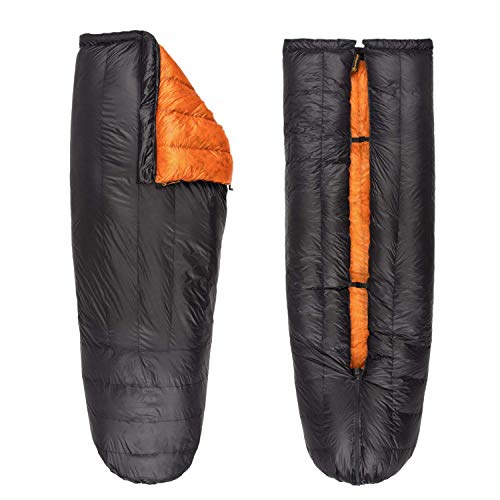
Featherstone Moondance 25 Down Top Quilt — Best for Thru-Hiking Miles
Featherstone built the Moondance 25 specifically as a mummy sleeping bag alternative, and its title aims it squarely at ultralight backpacking, camping, and thru-hiking. That last word matters. A weekend quilt can be merely light; a thru-hiking quilt must be light every single day for months, must survive being stuffed and restuffed hundreds of times, and must keep a tired hiker warm on the nights when dinner was small and the wind found the tent. The 850 fill power down stated in the title is the right raw material for that job — high loft for the weight, and strong compression when the food bag is full.
The 25 in the name is the maker’s own model designation, and we treat it the way we treat every number a brand prints: as their claim to weigh against your own cold tolerance, not as a laboratory promise. What we can say without speculation is that the shape is honest — a top quilt in the mummy-alternative tradition, cut to work over a pad and to move with a sleeper who has walked twenty miles and will fall asleep in whatever position the day leaves behind. Of the six picks here, this is the one whose design brief sounds most like it was written by people counting ounces because their knees asked them to.
Long-distance use also changes what “durable enough” means, and it is worth thinking through before choosing this pick for a thru-hike. The quilt will be stuffed daily, slept under nightly for months, aired on rocks and fences at lunch stops, and asked to perform on the exhausted nights when its owner has nothing left to give it — no careful tucking, no patient strap adjustment. Designs briefed for that life tend to keep their hardware simple and their shapes forgiving, and the Moondance’s bag-alternative brief points that way: fewer things to break, nothing that requires a fresh hiker’s attention at the end of a twenty-mile day.
- Fill: 850 fill power down, per the listing title
- Positioning: mummy sleeping bag alternative, per the title
- Audience named in title: ultralight backpacking and thru-hiking
- Form: top quilt for use over a sleeping pad
- Where to buy: the Featherstone Moondance 25 Down Top Quilt listing on Amazon — check price on Amazon
Strengths
- High-loft 850 fill power down suits long-distance carrying.
- Purpose-built as a bag alternative, not a converted blanket.
- Thru-hiking focus implies stuff-and-go durability thinking.
Trade-offs
- Warmth figure rests on the maker’s model naming alone.
- Down fill asks for discipline around rain and river crossings.
- Minimalist quilts offer few creature comforts by design.
Best for: long-distance hikers replacing a mummy bag to save carried weight. A poor fit for: car campers who want plush, roomy insulation and never count ounces.

Sierra Designs Cloud Quilt 20 — Warmest Head-End Design
Most quilts abandon your head to a beanie and good luck. The Cloud Quilt 20 from Sierra Designs refuses to: its title lists a hideaway hood and insulated hand pockets alongside a 20-degree rating and 800 fill power DriDown, and those two small features change how a cold night actually feels. Hands are where quilt sleepers lose comfort first — arms escape the edges, fingers chill, sleep fragments. Pockets that give your hands an insulated place to live, plus a hood that appears when the temperature drops through the small hours, answer the two complaints quilt sceptics raise most often.
The 20-degree figure is the warmest stated rating in this guide, and it comes from a brand with decades of bag-making behind it, which counts for something when ratings are otherwise unverifiable from a listing page. DriDown — down treated to resist moisture — also softens the classic down weakness, though no treatment makes any quilt a rain garment. In Regular size, per the title, this is the pick we would hand to a camper who loves the quilt idea but sleeps cold and has been burned by optimistic gear before: it keeps the open-back freedom and bolts back on the head-end security a bag would have given you.
The hand pockets deserve a second look, because they solve a problem most quilt reviews never name. In a bag, your arms live inside the insulation with you. In a quilt, arms wander — onto the cold pad, out into the tent air, under a pillow that is really a stuff sack of clothes — and each excursion costs heat and sleep. Pockets give the hands a home that travels with the quilt when you turn, which means the sleeper who turns twelve times a night is not re-tucking twelve times a night. Small feature, large consequence, and a good example of a maker designing for how people actually sleep rather than how they pose in product photographs.
- Stated rating: 20 degree, per the listing title
- Fill: 800 fill power DriDown, per the listing title
- Head-end features: hideaway hood and insulated hand pockets
- Size named in title: Regular
- Where to buy: the Sierra Designs Cloud Quilt 20 listing on Amazon — check price on Amazon
Strengths
- Warmest stated rating among the six picks here.
- Hood and hand pockets solve real quilt cold spots.
- Moisture-treated down hedges the classic down weakness.
Trade-offs
- Extra features add bulk a minimalist will not want.
- The hood duplicates a warm hat you may already carry.
- Warmth this side of freezing demands a serious pad.
Best for: cold sleepers who want quilt freedom without surrendering head warmth. Not the right match for: warm-weather campers, who will cook under a 20-degree quilt in July.
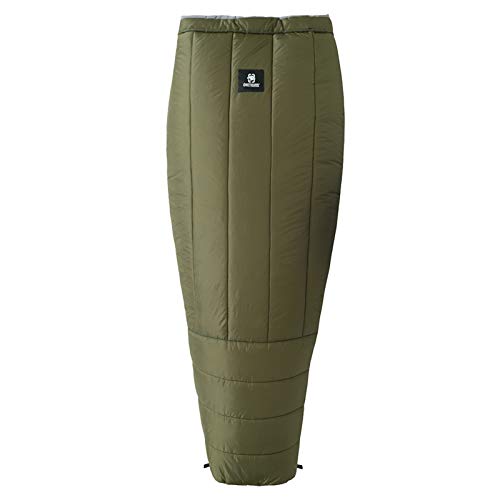
OneTigris Featherlite Sleeping Quilt — Best for Side Sleepers
OneTigris says the quiet part in its title: side sleeper friendly. That phrase is the whole case for the quilt form compressed into three words, because side sleeping is where zipped bags fail most honestly — the bag twists, the hood migrates, the zip digs into a shoulder, and the sleeper wakes up wearing the bag like a badly tailored suit. A quilt cannot twist around you; it lies over you, turns when you turn, and lets a bent knee find cool air without a negotiation. The Featherlite adds a footbox to that arrangement, so your feet stay anchored while your shoulders stay free, which is exactly the right division of labour.
At 35oz, per the title, and pitched for three seasons, this is a mid-weight, mid-ambition quilt — not the lightest here, not the warmest claimed, and honest about both. The title also names hammocks among its uses, and the footboxed shape does suit a hammock’s diagonal lay, though ground sleepers on pads are its home crowd. OneTigris built its name on accessibly priced outdoor gear, and the Featherlite reads as the value-shaped entry in this guide: the pick for a side sleeper who wants the quilt experience proven to them before spending expedition money on it.
It is also the most forgiving pick here for beginners learning quilt technique, precisely because its ambitions are modest. Three-season framing means the nights it serves are the nights when a draft or a loose tuck costs comfort rather than safety, so a new quilt user can learn the tucking, strapping, and layering habits on forgiving trips before betting a cold one on them. Skills transfer upward; the camper who masters edge control under the Featherlite in September will handle any quilt in this guide in October, and that learning curve is part of what its price of admission buys.
- Carried weight: 35oz, per the listing title
- Season framing: 3 seasons, per the listing title
- Fit note: side sleeper friendly, per the listing title
- Foot end: footbox included, per the listing title
- Where to buy: the OneTigris Featherlite Sleeping Quilt listing on Amazon — check price on Amazon
Strengths
- Designed openly around side sleeping and movement.
- Footbox anchors feet while shoulders stay unrestricted.
- Works across ground pads and hammocks alike.
Trade-offs
- Heavier than the down leaders in this guide.
- Three-season framing excludes serious winter use.
- No temperature figure is stated in the title.
Best for: restless side sleepers making their first move away from a bag. Poorly suited to: deep-winter campers or ounce-counters chasing the lightest possible kit.

ALPS Mountaineering Pinnacle Quilt — Brand-Backed Simplicity Pick
The Pinnacle Quilt’s title is the shortest in this guide: a brand, a model name, and a colourway — Charcoal/Red. No fill power, no temperature figure, no weight. We include it anyway, and the reason is the first two words. ALPS Mountaineering has sold honest, mid-priced camp gear for decades, and there is a kind of buyer — a sensible one — who would rather have an unrated quilt from a company that answers its phone than a spectacularly specified quilt from a label that exists only inside one marketplace listing.
Judge this pick, then, as the straightforward option: a top quilt from a known camp brand, in a colourway that will not show trail dirt, for sleepers whose trips are the ordinary, lovely kind — state parks, scout weekends, a spare layer in the camper van. Because the title states no warmth figure, we will not invent one; treat it as a fair-weather-to-mild-nights piece until your own garden test tells you otherwise, and let it earn colder work gradually. Simplicity is also a feature in itself: nothing to configure, nothing to decode, a quilt that behaves like a quilt and asks only for a decent pad beneath it.
There is one more honest use for an unrated quilt from a mainstream brand: the household spare. Quilts live second lives as guest bedding, camper-van layers, and the extra cover thrown over a bed when the weather turns, and a simply built quilt in a dirt-hiding colourway does all of that without complaint. Buyers who camp six weekends a year and host guests on six others may get more total nights from this pick than from any specialist in the guide — a different kind of value, but value all the same, and one the specification-led picks cannot match.
- Maker: ALPS Mountaineering, per the listing title
- Colourway: Charcoal/Red, per the listing title
- Stated warmth: no fill or temperature figure in the title
- Form: top quilt for use over a sleeping pad
- Where to buy: the ALPS Mountaineering Pinnacle Quilt listing on Amazon — check price on Amazon
Strengths
- Long-running camp brand with real product support.
- No inflated claims to decode or discount.
- Practical colourway hides dirt between washes.
Trade-offs
- Unrated warmth demands a home test before cold trips.
- Specification shoppers will find nothing to compare.
- Unlikely to win any weight-versus-warmth contest.
Best for: brand-trusting campers outfitting ordinary trips without spreadsheet drama. A weak match for: anyone planning near a stated temperature limit who needs the number in writing.

WIND HARD Twilight Down Quilt — Best Ultralight Shell Fabric
The Twilight’s title leads with its shell: 10D fabric, the gossamer class of nylon that ultralight makers use when every gram of the covering matters as much as the fill inside it. Behind that shell sits 800FP down, per the title, and the variant named is the Twilight Lengthen in green — a longer cut, which tall sleepers should read as the headline feature. A quilt that ends at your collarbone is a draft machine; a quilt you can pull to your chin while your feet stay inside the foot end is a sleep system. Length is warmth, and this pick sells length.
The trade that 10D fabric asks for is care. Feathers-light shells resist wind and weigh almost nothing, but they are not the fabric to drag across granite or lend to a careless tentmate, and the down inside still wants a dry stuff sack and a lofting rest at home. WIND HARD is a specialist ultralight label rather than a household name, so buy this one for its stated materials — the 800FP fill and that 10D shell — with your eyes open, and it will suit the hiker whose base weight spreadsheet has a column most campers never open.
Tall sleepers should pause on the lengthened cut once more, because it changes the warmth maths in their favour in a way fill never can. Every inch of quilt that reaches further up the body is an inch of shoulder and neck kept inside the insulation, and shoulders are where tall campers in standard quilts actually get cold — not at the feet, which the footbox handles, but at the top edge they can never quite pull high enough. If you have spent years choosing between warm feet and a covered chin, this is the pick in the guide designed to end that negotiation.
- Shell: 10D fabric, per the listing title
- Fill: 800FP down, per the listing title
- Variant: Twilight Lengthen, green, per the listing title
- Form: down top quilt for backpacking over a pad
- Where to buy: the WIND HARD Twilight Down Quilt listing on Amazon — check price on Amazon
Strengths
- Lengthened cut serves tall sleepers properly.
- 10D shell keeps total carried weight minimal.
- 800FP down lofts well for three-season use.
Trade-offs
- Feather-light shell fabric demands gentle handling.
- Specialist label, less familiar than legacy brands.
- No temperature figure is stated in the title.
Best for: tall, weight-conscious hikers who handle delicate shells carefully. Not suited for: rough-and-tumble family camping where gear gets dragged, shared, and sat on.
At a Glance: The Six Quilts Side by Side
| Quilt | What the listing title states | Form notes | Strongest use |
|---|---|---|---|
| Ultralight 850-Down Top Quilt (30°F) | 850 down, 1.9 lbs, rated 30°F | Open-back top quilt | Number-led backpacking |
| Featherstone Moondance 25 Down Top Quilt | 850 fill power down, mummy-bag alternative | Top quilt, thru-hiking brief | Long-distance trails |
| Sierra Designs Cloud Quilt 20 | 20 degree, 800 fill DriDown, hood, hand pockets | Top quilt with head-end features | Cold sleepers |
| OneTigris Featherlite Sleeping Quilt | 35oz, 3 seasons, side sleeper friendly, footbox | Footboxed top quilt | Restless side sleepers |
| ALPS Mountaineering Pinnacle Quilt | Brand and Charcoal/Red colourway only | Top quilt, unrated | Everyday camp trips |
| WIND HARD Twilight Down Quilt | 10D shell, 800FP down, lengthened variant | Ultralight top quilt | Tall gram-counters |
What Actually Keeps You Warm Under a Quilt?
Loft does the warming; everything else is draft management. The down or synthetic fill in a top quilt traps still air above your body, and that trapped air is the insulation. Underneath, the pad carries the load, because fill compressed by your weight traps almost nothing. This is why two campers can share one quilt model and report opposite nights: the one on a thick, insulated pad sleeps warm, and the one on a thin summer mat blames the quilt. Before upgrading any quilt in this guide, upgrade the pad — it is the cheapest warmth in the whole system and the most commonly skipped.
Edges come next. A quilt has no zip sealing you in, so its borders are where warmth leaks: a shoulder slips out at 3 a.m., a gap opens when you bend a knee, cold air pools along the pad’s side. Pad straps, a drawn-in footbox, and the simple habit of tucking the quilt’s edges under your body before sleep solve most of it. Quilts also pair happily with home bedding logic — the same layering instinct that puts a quilt over a sheet in a guest room works in a tent, and readers outfitting a whole house for comfort will recognise the thinking behind our coverage of Best Air Conditioners for Condos, where the room, not the gadget, decides whether people actually sleep well.
Temperature inside the tent matters more than campers expect, too. A shelter pitched in a hollow collects cold air all night; a site a few metres higher, out of the drainage path, can sleep noticeably warmer under the identical quilt. Site selection is free insulation, and experienced quilt users treat it as part of the sleep system rather than a separate skill — choose the ground well, and the quilt you already own performs like the next model up.
How Do You Set Up a Top Quilt on a Pad?
Start before dark, because quilt setup is a daylight pleasure and a headlamp fumble. Lay the pad fully inflated, attach the quilt’s straps loosely around it if your model uses them, and slide the footbox over the pad’s end so your feet have a fixed address. Climb in from the top rather than the side, settle the quilt over your shoulders, then reach down each side and tuck the edges beneath your hips — that tuck is the whole draft defence, and it takes ten seconds. Finish by arranging whatever head insulation you use, whether that is the Sierra Designs hood, a warm hat, or a puffy jacket’s hood worn backwards into the quilt’s neckline.
On the second night, adjust one variable: strap tension. Straps cinched tight hold the edges close and suit cold nights; straps loose let the quilt drape and breathe on warm ones. Hammock campers follow the same logic with the geometry changed — the quilt lies along the diagonal, the footbox takes the low end, and the edges tuck against the hammock’s own walls. And when the trip ends, store any down quilt loose and lofted rather than compressed, so the fill that warmed you in October still lofts next April. Campers who also cook outdoors will find the same care-for-tools ethic in our look at Best Pro-Style Range Hoods With Blowers — different equipment entirely, same lesson that maintenance, not purchase price, decides how long good gear stays good.
Which Mistakes Leave Quilt Sleepers Cold?
The classic error is pad denial: buying an impressive quilt and laying it over a foam mat meant for summer, then concluding that quilts do not work. The second is rating literalism — treating a maker’s stated figure as a guarantee that survives wind, damp, hunger, and a pad from a beach shop. Ratings are planning centres, not promises, and the wise camper tests a new quilt one cold garden night before trusting it above the treeline. Third comes footbox neglect: feet left outside the anchored end chill first and complain loudest, waking sleepers who then blame the whole design.
Two quieter mistakes deserve mention. Storing down compressed between trips slowly flattens its loft, so a quilt can genuinely become colder across a winter in a stuff sack. And over-layering clothing inside a quilt can backfire — bulky layers worn to bed compress the quilt’s loft from inside and open edge gaps as you move. Warm, light layers and a well-tucked quilt beat a parka worn under a flattened one, every night of the year.
Quilt or Bag: Which Should You Actually Buy?
The honest answer depends on how you sleep, not on which form is fashionable this season. Choose a quilt if you turn often, sleep on your side or stomach, camp mostly in mild-to-cool conditions, and already own — or will buy — a properly insulated pad. The quilt will feel like bedding rather than equipment, and the weight saving is real: every pick in this guide exists because removing the under-body half of a bag removes weight you were never warmed by in the first place.
Choose a bag if your trips run genuinely cold, if you sleep in exposed places where wind works under tarps and tent edges, or if you are the kind of sleeper who burrows — some people simply sleep better sealed in, and no spreadsheet overrides that. Bags also forgive chaotic sleep systems: a borrowed pad, a friend’s spare mat, the floor of a hut. A quilt on any of those is a gamble, because its missing half must come from somewhere.
There is also a middle path many campers land on after a season of experimenting: quilt for the warm two-thirds of the year, bag for the cold third, and no loyalty to either. The picks above were chosen for the quilt months. If your calendar is mostly quilt months — spring through autumn for most regions, longer for desert and lowland campers — then the open back is not a compromise at all. It is simply the right tool, carried at the right weight, for the nights you actually have.
Cost thinking belongs here too. A quilt and a good pad together can cost more than a single decent bag, and pretending otherwise helps nobody. But the pad is not a quilt accessory — it serves every sleep system you will ever own, including the bag you already have. Spread its cost across every future trip and the arithmetic changes: the quilt becomes the light, simple top half of a system whose expensive half you bought once and use everywhere.
How Do Fill Power and Shell Fabric Trade Off?
Fill power measures how much space one ounce of down occupies when it lofts — higher numbers mean more warmth per ounce and smaller packed size, which is why the 850-fill picks in this guide read as the weight leaders. But fill power is not warmth by itself. A thin layer of magnificent down insulates less than a thick layer of ordinary down; what warms you is total loft, the depth of trapped air above your body. Two quilts can share a fill power and sleep completely differently, and a lower-fill quilt with generous loft can out-sleep a skimpy high-fill one on the coldest night of the trip.
Shell fabric pulls in the opposite direction. The 10D cloth on the WIND HARD Twilight weighs almost nothing and packs to nothing, but it asks for gentle hands and a tidy tent. Heavier shells shrug off the small abuses of camp life — the zipper snag, the pine sap, the dog — at the cost of ounces on every mile. Neither choice is wrong; they are answers to different trips. Thru-hikers forgive delicate shells because the weight saving repeats ten thousand times a day. Weekend campers, whose packs ride in a car boot, should forgive the ounces instead and enjoy the tougher cloth.
Down itself carries one more trade: it hates being wet. Modern treated fills like the DriDown in the Sierra Designs quilt resist moisture better than untreated down, and every down quilt here will survive tent condensation and careful use. But a trip built around rain — days of it, river crossings, a leaky shelter — argues for synthetic insulation or meticulous dry-bag discipline. Match the fill to the forecast you actually get, not the one in the brochure photograph.
How Do You Layer a Quilt for Colder Nights?
Layering is where quilts quietly outplay bags, because an open-backed design accepts extra insulation the way a bed does — one more blanket over the top, no zip fighting you. The first layer to add is clothing: the insulating jacket you carried all day becomes sleepwear, and a warm hat closes the largest single heat leak a quilt leaves open. The second layer is a liner, which adds modest warmth and, just as usefully, keeps skin oils off the quilt’s fill across a long trip.
The third layer is a second quilt or a light blanket over the first, edges tucked, which can carry a three-season quilt surprisingly deep into autumn. Campers extending a summer quilt this way should mind the total weight — two mediocre quilts can outweigh one good cold-weather quilt — but for occasional cold snaps, layering beats buying a second specialist piece that sleeps in a cupboard fifty weeks a year.
Underneath, remember that layering works there too: a thin foam mat under an inflatable pad adds insulation and puncture protection in one move, and it is the cheapest cold-night upgrade in this entire guide. Work from the ground up — pad first, clothing second, extra top layer third — and most quilt sleepers find their comfort range stretches a full season beyond the figure printed in any title.
What Size Quilt Should You Choose?
Quilt sizing confuses first-time buyers because the logic differs from bags. Length should let the quilt reach your chin with your feet settled inside the foot end — not your forehead, and not your chest. A quilt that ends at the collarbone forces a choice between warm feet and warm shoulders on every cold night, and it is the single most common sizing regret in this category. Tall sleepers should treat lengthened variants, like the WIND HARD Twilight’s Lengthen cut, as the main event rather than a footnote, because no amount of fill quality compensates for a quilt that is simply too short for the body under it.
Width matters just as much and gets discussed less. The quilt’s edges must reach the pad’s edges with your body between them, including when you bend your knees or roll partway onto a side. Broad-shouldered sleepers and committed side sleepers both need more width than catalogue photographs suggest, because a side sleeper’s quilt must cover a body that is effectively taller — shoulder to hip to bent knee — than the same body lying flat. If you are between sizes, take the wider one; the weight penalty is small and the draft penalty for guessing wrong is paid hourly, all night.
Footbox style interacts with size in a way worth understanding before you order. A sewn footbox holds its shape and keeps feet located, which suits cold nights and restless feet. A zippered or drawcord footbox opens flat, which suits warm nights, couch use, and campers who like one piece of gear doing two jobs across a season. Neither is universally better, but a fully flat quilt used in cold weather must be tucked with real discipline, while a sewn footbox used in summer can feel like a woollen sock you cannot kick off.
Finally, size the system, not the piece. Your pad’s width, your tent’s floor width, and whether you share the quilt with a partner or a dog all change what “big enough” means. Two-person quilt camping is its own discipline — one wide quilt over two pads strapped together — and none of the six picks here is sold as a two-person design, so couples should read these as solo quilts and plan accordingly rather than discovering the geometry at midnight in the rain.
How Do You Wash and Revive a Down Quilt?
Down quilts need washing less often than owners fear and gentler handling than owners expect. The enemies are body oils and compression, both of which flatten loft slowly across a season. A liner delays the problem for months at a time. When washing day comes, use a front-loading machine — agitators in top loaders can tear the light baffles inside a quilt — with a dedicated down wash rather than household detergent, whose residues coat feathers and steal the loft you are trying to restore.
Drying is where the revival actually happens. Tumble dry on low heat for far longer than feels necessary, with clean tennis balls or dryer balls breaking up the clumps as the fill dries, and keep going until the quilt feels almost over-dry — damp down clumps, clumped down insulates in patches, and patchy insulation is how a good quilt earns a bad reputation. Between washes, an hour of low tumble drying alone can restore surprising loft to a quilt that has spent weeks in a stuff sack, which makes it the cheapest performance upgrade available to any owner in this guide.
Synthetic pieces, like the blanket-form picks in neighbouring guides, forgive more: they wash warmer, dry faster, and tolerate being stuffed damp into a pack at a rainy dawn in ways down never will. That forgiveness is a genuine buying argument for wet-climate campers, and it is why this guide never treats down as automatically superior — it is superior per ounce in dry cold, and merely demanding everywhere else.
Store every quilt in this guide the same way: loose, in a large breathable sack or hung by its middle, in the driest cupboard you have. Check it before the first trip of the season rather than the night before, shake the loft back into the baffles by hand, and redistribute any fill that has migrated toward the foot end. Ten minutes of this attention in spring is worth more than any accessory sold for the purpose.
How Do You Test a New Quilt Before Betting a Trip on It?
The garden test is the oldest ritual in quilt ownership and still the best one. Pick a clear night a few degrees colder than your planned trip’s expected low, set up exactly the system you intend to carry — same pad, same clothing layers, same shelter if you can manage it — and sleep the whole night rather than lying down for a ten-minute impression. Warmth at midnight tells you almost nothing; the truth arrives around 4 a.m., when the air is coldest, your body has burned through dinner, and every draft you failed to tuck has had hours to find you.
Keep notes, because memory edits ruthlessly. Write down the overnight low, what you wore, whether your feet or shoulders complained first, and whether you woke from cold or from discomfort — they are different problems with different fixes, and confusing them leads campers to buy warmth when they needed width, or width when they needed a better pad. One honest test night converts all of that guessing into a shopping list of exactly one or two adjustments.
If the test fails, fail cheaply and specifically. Cold feet point at the footbox and your socks; cold shoulders point at width, tucking, or a missing hat; a cold back points, almost always, at the pad. Each of those has a fix that costs less than replacing the quilt, which is the entire point of testing at home — the mountain is a wonderful place to enjoy a sleep system and a terrible place to debug one.
Repeat the test once after any significant change — new pad, colder destination, a partner joining the system — and your quilt stops being a purchase and becomes known equipment. Every pick in this guide rewards that familiarity. The campers who swear by quilts are rarely the ones who bought the most expensive model; they are the ones who tested theirs twice before it mattered.
Final Recommendation
Buy the paperwork if you plan by numbers: the Ultralight 850-Down Top Quilt states its fill, weight, and 30°F rating in one breath, and that clarity earns it the first look. Sleep cold and want your head looked after? The Sierra Designs Cloud Quilt 20, with its hood and hand pockets, is the warmest-stated and most reassuring design here. Thru-hikers should start with the Featherstone Moondance 25, side sleepers with the OneTigris Featherlite, brand-loyal pragmatists with the ALPS Pinnacle, and tall minimalists with the lengthened WIND HARD Twilight. Whichever you choose, spend the saved weight on a better pad — a quilt is only ever as warm as the half of the system lying underneath you, and the campers who learn that once, on a mild night near home, are the ones still praising their quilts on cold ridges years later.
One last word on sequencing for buyers building a kit from nothing: pad first, quilt second, accessories last. That order protects you from the most common disappointment in this category, which is never the quilt’s fault at all. Buy in that order, test in your garden, and the first cold night of the season becomes something to look forward to rather than a verdict you are waiting on.
Frequently Asked Questions
Is a top quilt warmer than a sleeping bag?
Per ounce carried, often yes, because none of its fill is wasted underneath you where your weight would crush it flat. Per night on a poor pad, no — the bag’s sealed shape forgives a bad pad in ways a quilt cannot. The honest answer is that the quilt-plus-pad system wins when both halves are chosen well, and loses when either half is an afterthought.
What pad should I pair with a camping top quilt?
Choose an insulated pad rated for the coldest night you realistically expect, wide enough that your elbows stay on it when you turn. Width matters more with quilts than with bags, because the quilt’s edges tuck against the pad’s edges; a narrow pad leaves those edges guarding cold tent floor instead of warm foam.
Can I use a top quilt in a hammock?
Yes — several picks here, including the OneTigris Featherlite, name hammocks in their titles. The footbox takes the hammock’s low end, you lie on the diagonal, and the quilt covers the top while a separate underquilt handles the underside, because a hammock compresses anything you lie on exactly as the ground does.
How do I stop drafts at the quilt’s edges?
Tuck before you sleep, not after you wake cold: edges under the hips, footbox anchored, straps snug on cold nights. A sleeping-bag liner adds a draft-proof inner layer on borderline nights, and simply wearing your insulating jacket to bed closes the shoulder gap that causes most 3 a.m. complaints.
How should a down quilt be stored between trips?
Loose, dry, and lofted — hung in a wardrobe or resting in a large breathable sack, never compressed in its trail stuff sack. Loft is the insulation, and weeks of compression teach down to stay flat. Air the quilt after every trip before storing it, especially after damp nights.
Are quilts a good choice for children?
For older children on family trips, often yes — the blanket-like shape feels familiar, nothing zips a small sleeper into a twist, and a parent can tuck edges from outside the tent door. For young children, supervise the same things you would with any bedding, keep the quilt sized to the child rather than drowning them in an adult’s spare, and remember that small bodies chill faster: the pad underneath matters even more for them than it does for you.
Related Guides
Readers comparing quilt forms across the whole sleep system will find the bag-versus-quilt question explored from the other side in Best Backpacking Sleeping Quilts, where the same pad-first logic governs a neighbouring shelf of designs.


